


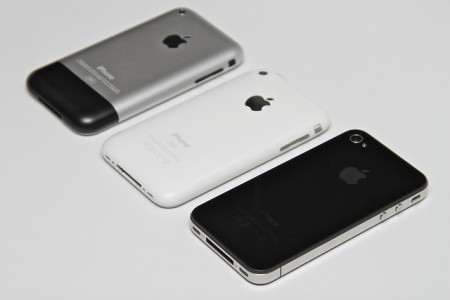
Apple Inc. is reportedly planning to increase the storage capacity of its next iPhone and is already in talks with Samsung, Korea Times reports. The Cupertino tech firm is said to be asking Samsung to supply the flash memory for the next iPhone units. Apple has Toshiba, SanDisk, and SK Hynix as its current storage component suppliers.
Apple Inc. is offering storage capacity of 16, 64, and 128GBs to its flagships, the iPhone 6 and iPhone 6 Plus. Bidness Etc mentions Toshiba as the supplier of the 128GB storage. SK Hynix is the supplier of the 16GB chips.
A report by Apple Insider cites that Apple Inc.’s plans to increase the storage capacity of the next iPhone have been delayed by cloud services, which can save memory requirements. In defense of the relatively low storage 16GB iPhones, Senior Vice President of Marketing Phil Schiller of Apple Inc. explained this month that iCloud will make up for lower-end iPhone models with less storage.
Apple Insider said that the report regarding increased storage for the next iPhone conflicts with Schiller’s statements during the company’s developers conference. When consumers use iCloud services for files, music, photos, and videos, they do not need local storage because cloud services lighten up the load, Schiller said.
In 2008, the 16GB iPhone was a top-tier option, but later became an entry-level variant, courtesy of the commoditization of flash units. Nevertheless, iPhone base models have stayed in the 16GB spot since the iPhone 4 in 2011.
Meanwhile, Samsung has been a prominent supplier of the main components of iPhones since 2007, by initially supplying NAND modules together with other suppliers like Intel and Micron. It was eradicated in September 2012, with the first shipments of the iPhone 5, and entirely pushed out last year with the build of the current flagships. The Cupertino colossus’ decision to get the South Korean OEM out of their supplier’s list–and have Taiwan Semiconductor Manufacturing Company produce its A-series chips instead–is said to have something to do with Apple and Samsung patent issues.
Samsung Group is heard to be looking for a way to regain its spot as a major supplier of flash storage to Apple Inc.’s iPhones. To regain its lucrative spot, the South Korean tech titan is said to be capitalizing on Apple Inc.’s plans to enhance the storage capacities of its mid-tier smartphones. Rumors have it that Samsung found its way back to Apple’s graces by supplying the Dynamic Random Access Memory for the “A9” system on the chip. It is rumored that Samsung is already running quality control testing at a China factory.
The report suggests that the Cupertino firm will increase the storage of mid-tier models, instead of increasing its current maximum storage of 128GB. 9to5Mac said that it will be most logical for the company to make 32GB the first option, instead of the 16GB model. Apple’s talks with Samsung are said to include pricing and shipment, with the latter testing the items for stability and durability. The South Korean original equipment manufacturer previously lost Apple’s flash storage business because of price, says the report.
It is already in the news that Apple is set to start mass production of the new iPhone next month, and that it will come with the Force Touch feature. 9to5Mac notes that the report from the Korean publication should be taken with a grain of salt, considering its inaccuracies in previous reports with regard to Apple and Samsung partnerships.
Apple Inc.’s plans to increase the storage capacity of the next iPhone while the tech world waits for it to introduce its iPhone 6s and iPhone 6s Plus in September. Aside from the Force Touch feature, the upcoming flagship phones will come with other enhancements, such as a 2GB RAM and an A9 SoC.
By Judith Aparri
Edited By Leigh Haugh
Sources:
9to5Mac–Apple Reportedly Planning Increased Storage in Next-Gen iPhones, Negotiating With Samsung
Apple Insider–Samsung Jockeying to Supply NAND for Next-Gen iPhone as Apple Looks to Boost Storage, Report Says
Bidness Etc–Samsung SSDs Could Make Their Way Back Into Apple iPhone
Photo Courtesy of Yutaka Tsutano‘s Flickr Page – Creative Commons License
Discover more from Guardian Liberty Voice
Subscribe to get the latest posts sent to your email.