


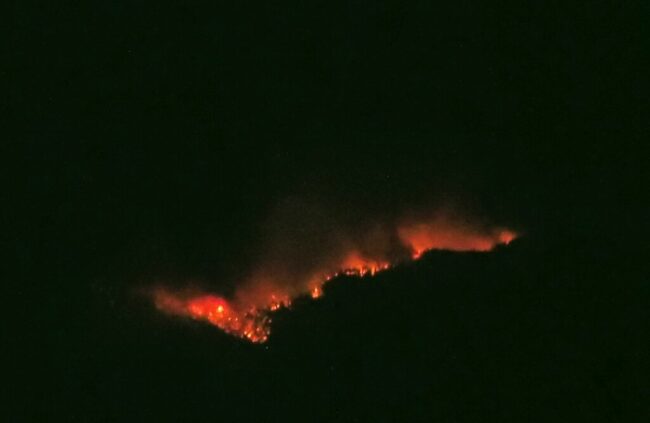
Wildfire smoke is a mixture of particles and gases that can harm human health. The composition of the smoke depends on the type of vegetation being burned, the temperature of the fire, and the weather conditions. The primary gases in wildfire smoke are carbon monoxide, carbon dioxide, and nitrogen oxides, while the particles include soot, ash, and other organic compounds.
Smoke can exacerbate health problems, such as chronic obstructive pulmonary disease (COPD), asthma, and heart disease. It can also cause new health problems like respiratory infections, eye irritation, and headaches. The particles in the smoke can enter the lungs and the bloodstream, potentially causing inflammation and damage to the cardiovascular and respiratory systems.
The Causes and Prevalence of Wildfires
Wildfires are a natural phenomenon that has occurred for millions of years, but their frequency and intensity have increased in recent years due to climate change and human activity. The smoke produced by wildfires contains a complex mixture of gases and particles that can have serious health consequences for those exposed.
Lightning strikes typically cause wildfires but can be started by human activities, such as campfires, cigarettes, and fireworks. Climate change has made wildfire conditions more favorable, with hotter and drier weather increasing the risk of ignition and spread. In addition, human development in wildfire-prone areas has led to more frequent and more extensive fires.
According to the National Interagency Fire Center, about 58,950 wildfires in the United States in 2020, burning 10.1 million acres. This incident was the third-highest number of wildfires on record and the second-highest number of acres burned. The smoke from these fires can travel long distances and affect the air quality of the surrounding areas.
The Health Effects of Inhaling Wildfire Smoke
Short-term exposure to wildfire smoke can cause various symptoms, such as wheezing, coughing, shortness of breath, and chest pain. These symptoms are usually mild and go away once the smoke dissipates. However, prolonged exposure to smoke can have more severe health consequences.
One of the most significant health risks of wildfire smoke is the increased risk of respiratory infections. The particles in the smoke weaken the immune system and breeding ground for bacteria and viruses and bacteria to enter the body. This condition can lead to pneumonia, bronchitis, and other respiratory illnesses.
Smoke exposure can cause cough, sore eyes, tears, and a runny nose. If the heavy smoke lasts for days, it can cause a longer-lasting cough or, at worst, lung problems. If an individual has lung or heart conditions, it can get worse.
Long-term exposure to wildfire smoke can also have serious health consequences. Studies have shown that people who live in areas with high levels of air pollution, including wildfire smoke, may develop heart disease, stroke, and lung cancer. Children, older people, and those with pre-existing respiratory conditions are particularly vulnerable to the health effects of wildfire smoke.
People with heart disease may experience unusual fatigue or heart palpitations, according to the EPA (Environmental Protection Agency).
What Can People Do?
People cannot control or change the weather conditions but can prepare to protect themselves from the worst.
The best starting point is to monitor the local AQI (Air Quality Index) forecast. Airnow.gov has color-coded charts to help people understand the risk in their local area.
Generally, a 100 AQI is hazardous, with many people affected as it increases. New York City exceeded 400 AQI on June 7. People who have respiratory problems will be affected by AQI 75.
https://twitter.com/rawsalerts/status/1666622169952968705?s=20
How Can People Protect Themselves
Choose a NIOSH-approved N95 or better when going outdoors. Masks with two straps, one that goes above the ears and the other below, will give individuals a better face seal so that inhale they don’t suck smoke particles.
Invest in a better air filter with a 2.5-micron particle rating. This air filter costs more than a standard dust filter, but is excellent at filtering out smaller smoke particles in the atmosphere.
Protect the eyes with over-the-counter eye drops to help lubricate the eyes and flush away contaminants.
Get out of town if the area you live in is considered a higher risk.
Impact of Wildfire Smoke on Humans
A previous study published in the American Medical Association Journal revealed that pregnant women vulnerable to wildfire smoke have a higher risk of low birth weight or preterm birth.
In addition, older people and those with pre-existing respiratory conditions are at higher risk of experiencing severe health consequences from exposure to wildfire smoke. For example, according to the New England Journal of Medicine, the 2017 Northern California wildfires were associated with a 20% increase in emergency department visits for respiratory problems among adults 65 and older.
Tips for Reducing Exposure to Wildfire Smoke
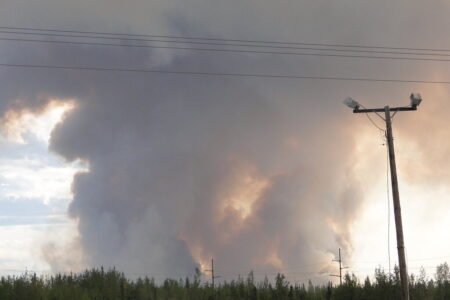
For people with the luxury of remote work, staying indoors will give them better control of their air environment. However, for those working outside, they should limit physical activities.
Washington state, for example, provided masks for workers on days with unhealthy air.
There are several practical steps that individuals can take to reduce their exposure to wildfire smoke by staying indoors, wearing an N95 mask, and using HEPA air purifier filters.
Taking Action to Protect Yourselves and Your Communities
The health effects of wildfire smoke are a growing concern, and individuals must take proactive measures to protect themselves and their communities. By staying informed about air quality, following the tips for reducing exposure, and advocating for policy changes that address the root causes of wildfires, we can work together to minimize the impact of these natural disasters on human health.
Written by Janet Grace Ortigas
Sources:
TIME: What Wildfire Smoke Does to the Human Body; BY Alejandro de la Garza
Gothamist: Asthma ER visits during NYC smoke haze were highest in high-poverty, Black and Latino areas; by Arya Sundaram
CNN: Did you breathe in a lot of wildfire smoke? Here’s what to do next; by Katia Hetter,
National Geographic: Orange skies are the future. Prepare yourself; by Stuart Palley
Featured and top image by derek visser courtesy of Flickr – Creative Commons License
Inset image by FairbanksMike courtesy of Flickr – Creative Commons License
Discover more from Guardian Liberty Voice
Subscribe to get the latest posts sent to your email.