
Former Hollywood executive warns of devastating effects if the strikes continue.
Three days after the solidarity of SAG-AFTRA with WGA, a former Hollywood executive, Barry Diller, has expressed concerns about the potential effects of both strikes.
Diller, chairman of IAC and Expedia Group and former CEO of Paramount Pictures appeared on CBS’s Face the Nation on Sunday to discuss the potential consequences of the strikes dragging on beyond September 1.
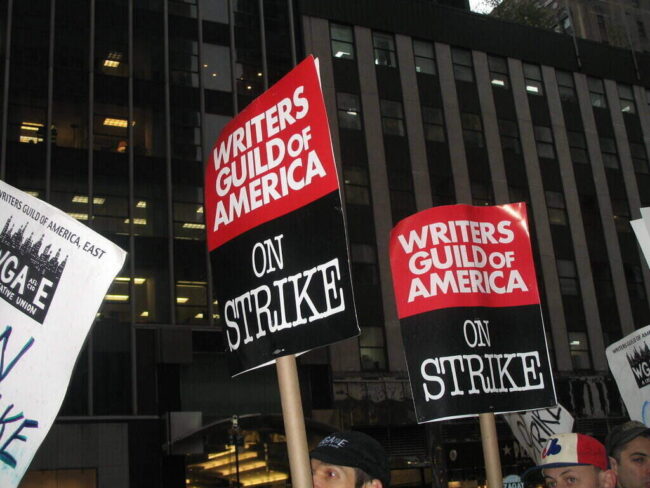
Strike Initiated by Writers Guild of America
As of May 2 of this year, 11,500 Hollywood screenwriters, represented by the Writers Guild of America (WGA), have initiated a strike centered around the issues of money, autonomy, and Artificial Intelligence (AI). The writers advocate for improved and equitable pay, a guaranteed minimum number of writers per room, and regulated usage of AI in the writing process.
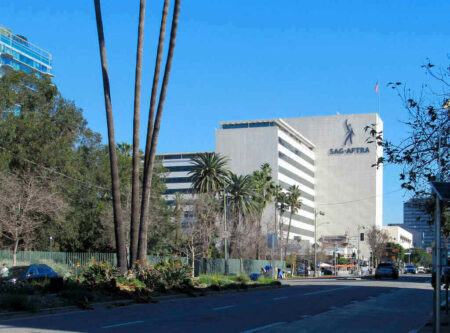
Recently, Hollywood actors joined the screenwriters in their protest, taking a stand against studios, streaming services, and production companies represented by the Alliance of Motion Picture and Television Producers (AMPTP).
This strike is the first time in over six decades that both unions are simultaneously on strike. The actors, represented by the Screen Actors Guild-American Federation of Television and Radio Artists (SAG-AFTRA), are demanding higher minimum pay rates, increased streaming residuals, and specific assurances from the studio and production companies regarding the use of AI.
While the writers express concerns about the potential compromise of their creativity due to AI’s involvement in storytelling, the actors fear the endless AI replication of their image and likeness.
Many may view Artificial Intelligence as the new antagonist in Hollywood narratives. Media portrayals in movies like “I, Robot,” “Avengers: Age of Ultron,” and the upcoming “Mission: Impossible” installment have contributed to this perception.
Actors on strike dressed in outfits reminiscent of the hit show 'Bridgerton' at a picket line outside Netflix offices in Los Angeles. Umbrellas came in handy under the hot summer sun, as they walked up and down the sidewalk in lace dresses https://t.co/s6jRfYhuQS pic.twitter.com/MJcgBeTT7A
— Reuters (@Reuters) July 19, 2023
Hollywood Shut Down
Hollywood is on shutdown at the moment. Actors and writers cannot work until the studio and the two guilds mutually agree.
If they don’t reach an agreement by Christmas, Diller predicts a significant lack of streaming and cable programs for audiences to watch next year. This event could lead to canceled streaming subscriptions and reduced revenue for the entertainment industry.
According to Diller, the sector can only revive these programs with a sufficient cash flow. Additionally, he suggested that studio executives and A-list actors take a 25% pay cut as a good-faith measure to resolve the dispute quickly.
He acknowledged the criticism from the actors’ union about the high earnings of the top 10 executives. Diller advocated narrowing the significant pay difference between highly paid individuals and others in the industry. While Diller’s concerns reflect his perspective as a former executive, other Hollywood experts also express skepticism.
It is important to note that news anchors, soap actors, and game show hosts are not directly affected by the strikes, as they have different contracts.
Hollywood Strikes by Both Writers and Actors Could Be Disastrous
According to the Chair of IAC and Expedia Group, Barry Diller, the combination of Hollywood strikes by writers and actors could be disastrous to the entire industry without a prompt resolution.
Diller expressed his concerns during a recent interview with Margaret Brennan on CBS’s “Face the Nation.” Consequently, the industry may need a significant setback, with fewer programs produced and subscriptions pulled at the end of the year. Diller believes there is little hope for a quick resolution.
Both writers and actors are seeking better wages, reasonable compensation for streaming programs, health, and pension funds’ support, and higher pay that compensates for inflation.
Additionally, the actors are requesting an end to the practice of self-taped auditions and have expressed their concern about artificial intelligence.
Diller recommended that top executives and highly paid actors take a 25% pay cut to resolve the situation. He describes this as a “good faith measure” to help bridge the pay gap between the top earners and their less fortunate counterparts.
Consequence of the Strike on the Television and Film Industry
The ongoing strike, now in its 12th week with no end in sight, is significantly impacting the production of film and television series. This strike may cost the industry more than $3 billion in losses.
Comparatively, the previous WGA strike in 2007-2008 lasted 100 days and resulted in an estimated loss of $1.5 billion. With AI at the forefront of this critical time in Hollywood, there is a growing sense of fear and outrage that the industry is shifting in ways that may make it unrecognizable.
These concerns are resonating among industry professionals, particularly some notable faces. Top movie and TV actors, including Jason Sudeikis from “Ted Lasso,” have joined the picket lines alongside screenwriters.
They have stood in solidarity with the writers on the first full day of the walkout, which has become one of Hollywood’s most significant labor fights in recent decades.
Hollywood Must Win
Besides picketing outside production companies, other notable actors like Frances Fisher from “Titanic,” Sean Astin from “Lord of the Rings,” and Fran Drescher, most known for her role in “The Nanny” and as the president of SAG, have also shown their support.
The current state of Hollywood may seem chaotic and apocalyptic, with wildfires, heatwaves, and strikes happening all at once. However, this situation represents Hollywood’s redemption.
The writers and actors striking are at the forefront of two battles that are crucial for every American. By fighting for their rights, the Hollywood strikers are protecting the rights of all working-class people. When the work stops, there is nothing to sell, and the executives will have empty theaters and public scorn.
Written by Janet Grace Ortigas
Sources:
Washington Examiner: Hollywood could face ‘absolute collapse’ if strikes continue, former industry executive says; by David Zimmermann
Fox News: In the age-old good vs evil story, is Artificial Intelligence cinema’s new villain?; by Laura Carrione
The Hill: Strikes could lead to ‘absolute collapse’ in Hollywood, Diller says; by Sarah Fortinsky
The Guardian: The Hollywood strike can and must win – for all of us, not just writers and actors; by Hamilton Nolan
Featured and Top Image by Planetgordon.com Courtesy of Flickr – Creative Commons License
Inset Image by Don Barrett Courtesy of Flickr – Creative Commons License
Discover more from Guardian Liberty Voice
Subscribe to get the latest posts sent to your email.