


The Russia-Africa summit in St Petersburg has caught the attention of major world powers, such as Paris, Washington, London, and New York. However, the perspective on this event differs within Africa.
The summit between Russia and African countries holds great significance, as Russia has promised a new program of support for the continent. The summit agenda includes an “economic and humanitarian forum,” where African business figures will attend. The Kremlin has assurances of reaching agreements on trade, investment, scientific and technical cooperation.
While Russia can build on the academic and research ties established during the Cold War era when many African students studied in Soviet universities, it does not imply that all participants will approach the summit without any criticism. Despite diplomatic politeness, most leaders will probably express their concerns privately.
Western Foreign Ministries Concern
While Western foreign ministries are concerned about Kremlin’s desire to expand its influence politically, militarily, and economically in Africa, Africans see this summit as an opportunity to strengthen ties and pursue mutually beneficial partnerships.
Compared to the summit in 2019, where 43 African leaders took part, only 17 are expected to attend St. Petersburg this time. The attendance of these African leaders and their prominent speaking roles will inform observers about how far the influence may extend and whether it will receive a warm reception.
For a while, European and U.S. policymakers saw China as the leading competitor in Africa. However, the Kremlin’s assertive return, demonstrated by the presence of Wagner mercenaries in Mali, the Central African Republic (CAR), Libya, and briefly in northern Mozambique, has caused unease among Western nations. Additionally, Russia’s invasion of Ukraine has further deepened Western mistrust of Russia’s global ambitions.
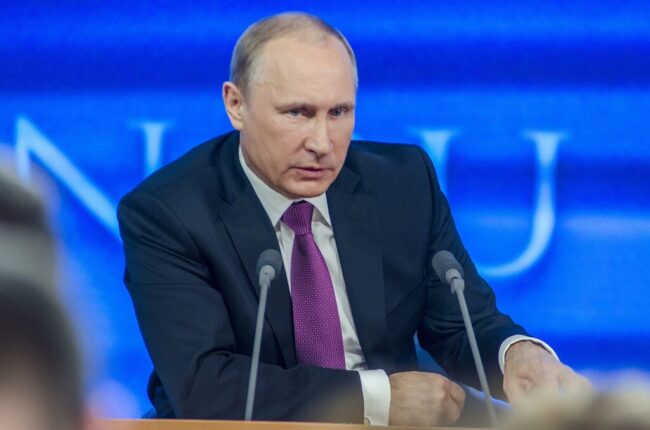
Moscow is ready to support the poorest African countries and deliver them grain for free, Russian President Vladimir Putin said during the plenary session at the Russia-Africa summit in St. Petersburg.https://t.co/QYRvsZkTth pic.twitter.com/kghlno3GmZ
— RT (@RT_com) July 27, 2023
African Leaders Reluctance
On the other hand, African leaders are more inclined to view these developments through a different lens. They are reluctant to be drawn into a new “Cold War” or become pawns in a struggle for global influence. Despite condemning Russia’s actions against Ukraine at the UN, most countries on the continent prefer not to take sides and are open to partnerships that serve their interests.
It’s important to note that Russia is one of several significant actors seeking political and economic influence in Africa. China, India, Turkey, the Gulf states, South Korea, Western nations, and Japan are also strengthening their efforts to engage with Africa.
African governments, who have faced challenges in attracting international assistance for development and security, are receptive to these overtures and exploring collaboration opportunities.
Delicate Issues Addressed During the Summit
In a recent peace mission to Russia and Ukraine, African leaders were not hesitant in urging Presidents Putin and Zelensky to end the war, acknowledging its global impact. Furthermore, Moscow’s decision to terminate the agreement for the safe export of Ukrainian and Russian grain through Black Sea ports will drive up food prices in African countries, likely leading to urban protests and political pressure on leaders.
While some close allies, like Mali, may receive special shipments of grain, it is unlikely that Putin can provide such substantial bilateral help to all African countries. Putin is aware of the diplomatic fallout caused by these issues.
Conventional Path of Cooperative Engagement

Last year, Africa’s largest source of fertilizer was probably Moscow, which supplied 500,000 tonnes. It is also a significant oil, gas, and mining player. However, the most critical trade sector right now is grain.
It will be challenging for the Kremlin to help Africa with desperately needed extra supplies unless a restored Black Sea deal also allows Ukrainian shipments to flow. Despite Putin’s claim that Russia shipped nearly 10 million tonnes of grain to Africa in H1 2021, it remains to be seen if Russia is willing and organized to become a sizable food aid donor compared to the EU or the US.
The Kremlin has appeared at least tacitly sympathetic towards military regimes in Mali, Burkina Faso, and Guinea in an apparent effort to unsettle France and other Western actors. The Malian regime’s actions have raised concerns about regional stability and deepened mistrust of Russia’s policies. Even with a significant goodwill boost to the grain shipments, Mr. Putin may need help to ease widespread West African suspicion. However, his guests will probably be too discreet to express their dissatisfaction.
Written by Janet Grace Ortigas
Sources:
BBC News: Russia-Africa summit: Putin seeks to extend influence; by Paul Melly
The Conversation: Russia-Africa summit provides a global stage for Moscow to puff up its influence;
Yahoo! News: Putin is trying to flex his influence in Africa, but countries are giving him the cold shoulder; by Chris Panella
DW: Fact check: Russia’s influence on Africa; by Kathrin Wesolowski and Etienne Gatanazi
Featured and Top Courtesy of Дмитрий Осипенко‘s Pixabay Creative Commons License
Inset Image Courtesy Ninara‘s Flickr Page – Creative Commons License
Discover more from Guardian Liberty Voice
Subscribe to get the latest posts sent to your email.