


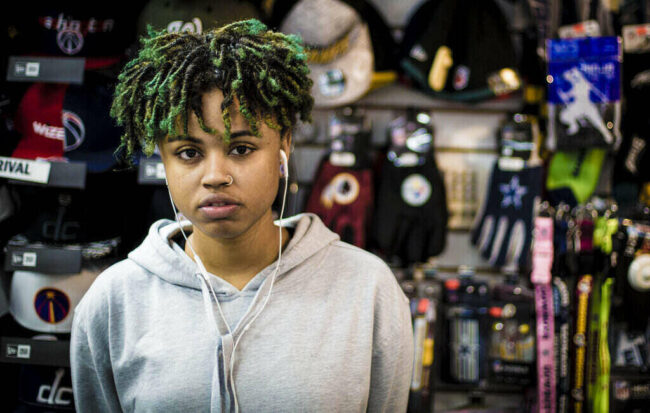
Black hair has historically been disrespected, abused, and misunderstood. Why is it that some hair textures are seen as professional while others are not? Black hair is being systematically oppressed in several ways. Not only that but it is chronically misunderstood. From schools wanting to cut their students’ black hair to Black people having fewer job opportunities because of their hair. Black hair is constantly misunderstood. Black hair has cultural significance to Black people. Hairstyles are one of the few ways that African Americans retained their culture after being enslaved. Black hair is one of the ways that Black people express themselves. To misunderstand Black hair is to misunderstand Black people.
Black hair is beautiful, strong, and elegant. It isn’t “unprofessional” or “nappy” it is just high maintenance. Black people’s hair requires a lot of work to maintain. However, when properly taken care of, black hair is quite beautiful. There is a reason black hair is seen in a bad light. The reason is systemic racism and prejudice. Through cultural conditioning, people are conditioned to believe that black hair is naturally unworthy of appreciation and should be hidden. Because anything associated with Black people in America is immediately devalued. Even the hair on their heads. Black hair shouldn’t be viewed this way, but it is.
Texturism
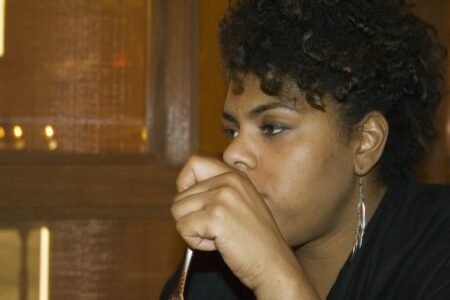
Why is Black hair viewed this way? The answer to that question is texturism. Texturism is the idea that some hair textures are more valuable than others. Texturism conditions people to think that more straight hair is desirable. When a person has texturist biases, they tend to devalue black hair in their mind. This has several consequences. For example, there have been several situations where Black people have applied for jobs but were turned down because of their culturally significant hairstyle.
Discrimination Everywhere
It isn’t just jobs either, even Black children are facing discrimination against their natural hair. In many schools, children are bullied for their hair texture. Not only are they bullied by classmates, but they are also punished by the administration for their black hairstyles. In a lot of cases, they are asked to cut it. This is extremely culturally insensitive. Sometimes, white people that come into positions of power have no cultural context for others. Subsequently, they make decisions that discriminate against people of color without even knowing it (some know it and are just racist).
If a person never interacted with Muslim people, they may not understand why they wear a hijab. If a white administrator never interacted with Black people they may not understand that there are protective hairstyles that Black people wear. Those white administrators may not understand that Black people need items like durags to protect their hair and that sometimes they are also a fashion statement. Durags and bonnets are cultural artifacts within Black culture, they are special and they mean a lot to people. To restrict Black people’s use of them is to restrict how they take care of their hair.
A Hopeful Future
There is hope in the world of black hair though. New bills are being passed in several states. There is a bill that is being passed in Illinois that is meant to protect black hair. There was also the Crown Act that passed in California. These bills represent a push to protect black hair against bias and prejudice. These efforts will be successful in protecting black children against the biases of school administrators and hopefully get rid of the stigma of black hair in schools. One day Black people and their hair will be liberated from the shackles of oppression and white supremacy. One step at a time, one braid at a time.
Written by Kenneth Mazerat
Edited by Sheena Robertson
Sources:
CNN: Black students say they are being penalized for their hair, and experts say every student is worse off because of it by Leah Asmelash
Byrdie: Everything You Need to Know About The Crown Act by Olivia Hancock
Forbes: 4c Hair Discrimination: An Exploration Of Texturism by Janice Gassam Asare
NPR: The House passes the CROWN Act, a bill banning discrimination on race-based hairdos by Jaclyn Diaz
NBC News: New Illinois law bans ‘hairstyle discrimination’ in schools by
Futurity: NATURAL HAIR BIAS CUTS JOB OPPORTUNITIES FOR BLACK WOMEN by SAMIHA KHANNA-DUKE
Featured and Top Image Courtesy of Johnny Silvercloud’s Flickr Page – Creative Commons License
First Inset Image Courtesy of Tony Armstrong’s Flickr Page – Creative Commons License
Discover more from Guardian Liberty Voice
Subscribe to get the latest posts sent to your email.