


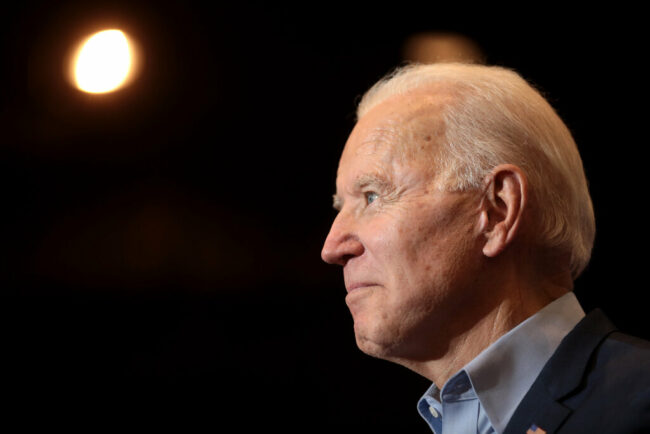
President Joe Biden recently announced plans to pardon marijuana offenders on the federal level. Many advocates wonder what this decision could lead to in the future.
Biden made multiple campaign promises, including canceling all student debt. One campaign promise was to push for the decriminalization of cannabis and help those trapped in past convictions. He plans to pardon convicted citizens of simple marijuana possession charges from 1992 to 2021. More than 6,500 lawful permanent residents will be affected by the move.
The attorney general will be issuing pardon certificates to those eligible for coverage. Officials say these individuals can show these certificates as proof to law enforcement and employers. The President put out a statement acknowledging the damage done to Black and brown communities by America’s war on drugs. He talked about the reality of white drug users not being punished under the law as evenly as their Black and brown counterparts.
Sending people to prison for possessing marijuana has upended too many lives and incarcerated people for conduct that many states no longer prohibit. And while white and Black and brown people use marijuana at similar rates, Black and brown people have been arrested, prosecuted, and convicted at disproportionate rates. This is a step towards restorative justice.
Cannabis in a Legal Sense
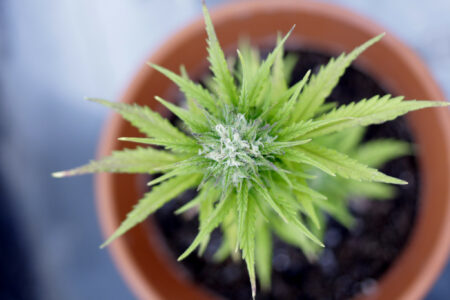
The executive order will not act as a pardon for future offenders. Federal law still identifies marijuana as an illegal substance. No individual will be released as a result of the order. There are currently no prisoners being held for simple marijuana offenses. The drug is still labeled under Schedule I of the federal Controlled Substances Act, just like heroin. Schedule I classifies drugs that have been deemed to have no medical use. Outside of research, this leaves the drug completely banned in all settings.
If authorities shifted marijuana down to a lower tier like Schedule II, doctors could prescribe it. As a result, the Drug Enforcement Administration (DEA) would then track it similarly to how it treats opioids. Schedule V is the lowest tier with minimal oversight. If moved there, then marijuana would join substances like cough syrup which have small portions of codeine. Presently, the DEA and the Food and Drug Administration (FDA) will be making the decision on where cannabis should be placed.
Marijuana and Communities of Color
Advocates have praised the move. They see it as a step forward in changing the way law enforcement views and treats black drug usage. Patrice Willoughby is the vice president of policy and legislative affairs at the NAACP. He thinks bad drug policies have unfairly criminalized people. Nonviolent marijuana offenses should not have held back millions of people, according to Willoughby. The legal system “disproportionately applied” these offenses “to the African-American community.”
We’ve seen since the 1970s that marijuana policy was intentionally and malevolently constructed to target the African American community. And too many people have been caught up as a result of that and have been denied jobs, opportunity, housing and other benefits of this country because of a malevolent policy.
Good but Not Enough
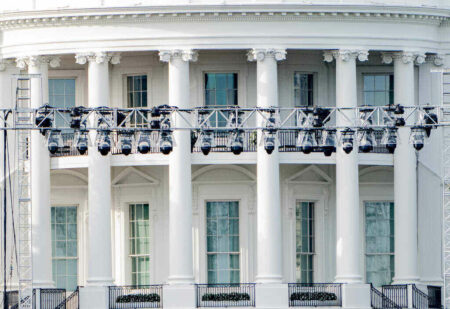
Like other recent actions, Biden’s latest move has been met with mixed responses. The executive order will apply to those charged under federal law or D.C. statute. However, a majority of offenses occur on the state level. Eliana Green is the senior policy advisor at Hood Incubator, a nonprofit organization for cannabis justice reform. She sees Biden’s pardons as a good precedent for necessary action on the state level. Green and other advocates hope states will follow Biden in instituting reforms of their own. These local governments also need to create “record cleaning remedies” for individuals with “collateral consequences” due to cannabis, according to Green.
Recreational marijuana use is legal in 19 states, and 38 others have exceptions for medical use. Five states have included cannabis legalization in their midterm ballots. More than two-thirds of people surveyed in a 2021 Gallup poll support the drug’s legalization. Biden could be using his recent efforts on tackling student debt and marijuana decriminalization to help win support from Black and young voters. Democrats will need these two voting groups in the heated midterm elections coming up.
Written by Chiagozie Onyewuchi
Sources:
NPR: Biden’s pot pardon will help reverse War on Drugs harm to Black people, advocates say; by Alana Wise
The Wall Street Journal: Biden Pardons Low-Level Federal Marijuana Convictions. Here’s What to Know; by Stephanie Armour and Lizeth Beltran
The Washington Post: Biden’s directive on marijuana faces a Catch-22; by Rachel Roubein
Featured and Top Image Courtesy of Gage Skidmore’s Flickr Page – Creative Commons License
First Inset Image Courtesy of WILLPOWER STUDIOS’s Flickr Page – Creative Commons License
Second Inset Image Courtesy of Victoria Pickering’s Flickr Page – Creative Commons License
Discover more from Guardian Liberty Voice
Subscribe to get the latest posts sent to your email.