


Recent Neanderthal DNA Findings
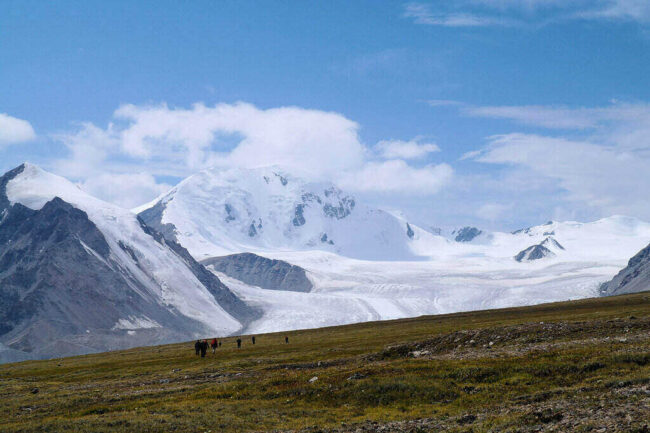
In Southern Siberia, known as the Chagyrskaya Cave, scientists were able to analyze fossil DNA and found it was home to a Neanderthal family. They found a father and his teenage daughter and more distant relatives who researchers think are distant cousins. Along the Altai mountains, it was home to about 20 people around 54,000 years ago.
On October 19, these findings had gotten published in “Nature.” They portrayed a tragic story of our extinct ancestors. The group of 11 Neanderthals was all found together in the cave and it is likely that they all died together. The most plausible reason is starvation. This is the largest collection of Neanderthal genomes. The findings urge that groups of Neanderthals were small. Two other Neanderthal remains were found in a nearby cave called Okladnikov.
Paleoanthropologists from the Russian Academy of Sciences began digging in the Russian Chagyrskaya cave back in 2007. They extracted Neanderthal bones and teeth. They also discovered more than 90,000 stone tools within the cave. Researchers believe that the cave may have just been a seasonal home. Scientists theorize that they would come to Chagyrskaya to hunt bison and then migrate to nearby grasslands.
Svante Pääbo and Laurits Skov
Svante Pääbo performed this study along with a group of researchers. He is a Swedish geneticist who has been studying Neanderthals for 25 years. He recently won a Nobel Peace Prize for his work in extracting their DNA from cave floors and replicating brain cells. Another researcher, Laurits Skov a palaeogeneticist, was also a researcher on the team.
Pääbo stated that he did not think that they would be able to detect the father-daughter relationship from just bone fragments. Neither did he expect to even gather Neanderthal DNA from cave sediments, but now it has become very common. Skov also stated that this is a very exciting discovery because it shows that they were all living there at the same time. This gives researchers the ability to use genetics for future studies of Neanderthal communities.
Back in 1997, Dr. Pääbo and his teammates dug into a skull cap found in Germany in 1856. This was Dr. Pääbo’s first study of Neanderthals. Over the next years, they were able to gather more DNA from museum specimens. This helped them tie the link between the evolution of Neanderthals and current living humans. Over time they were able to gather enough ancient DNA to complete the entire Neanderthal genome.
Neanderthal Migration
In 2020, the first Neanderthal DNA findings were published. Pääbo and his team gathered a full genome from a Neanderthal woman’s finger bone. The genes revealed that she was closely related to Neanderthals more than 3000 miles away in Croatia, and less closely related to those just 65 miles away in a cave called Denisova.
Skov and his team found more DNA from 17 other ancient remains from Chagyrskaya, Additionally, he gathered several remains from a nearby cave known as Okladnikov. The remains from Okladnikov were very poorly preserved and researchers were only able to extract DNA from two.
The 17 remains were all from bones and teeth from six female Neanderthals and seven male Neanderthals. Eight were adults and five were children The teeth and bone fragments were from Chagryskaya however, researchers managed to gather complete and partial genomes from 11 individuals. This confirmed that the individuals were more closely related to other Neanderthals in Europe.
This provided evidence that the Neanderthals in Siberia didn’t belong to just one population. That they must have migrated around Europe at least twice, first going to Denisova and then thousands of years later to Chagyrskaya.
Written by Alyssa Calderon
Sources
The New York Times: First Known Family of Neanderthals Found in Russian Cave
Nature: Siberian cave reveals glimpse into first known Neanderthal family
CNN: Ancient DNA reveals first Neanderthal family portrait
Top and Featured Image Courtesy of martin_vmorris Flickr Page – Creative Commons License
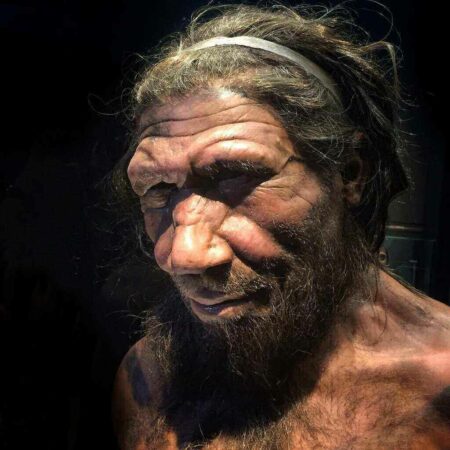
Inset Image Courtesy of Allan Henderson Flickr Page – Creative Commons License
Discover more from Guardian Liberty Voice
Subscribe to get the latest posts sent to your email.