


Cancer Through Hair Products
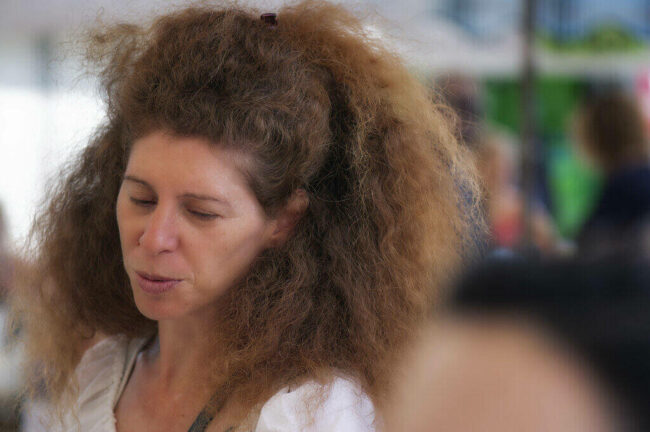
Recently, the National Institutes of Health study showed that chemical hair straighteners are likely to be linked with uterine cancer. The study suggests that people were twice more likely to develop this cancer when using these products compared to those who don’t.
The data did not uncover racial differences in the incidence of cancer, but it did note that Black women were more vulnerable to the health effects due to their propensity for straightening their hair and the tendency to start doing so at a young age. That warning is startling.
Researchers made the connection between permanent hair color and straighteners and an increased chance of breast and ovarian cancer and also made the discovery of uterine cancer, despite the fact that it is a relatively uncommon disease.
The dreadful effects that nail salon fumes from lacquers and acetones have on human health as well as the harm they may do to the men and women who work there have been made known to us in recent years. These substances have been related to asthma, cancer, skin conditions, and miscarriages. Other cosmetic procedures, such as skin lighteners, skin tighteners, and wrinkle reducers, are also known to cause difficulties and adverse effects.
Our Self Image
What does it mean to present our finest selves? People are prepared to take risks, put up with discomfort, and even suffer pain in order to adhere to the restricted notion of beauty that is profoundly engrained in the culture. The ones that say a person who has a pleasing, recognizable, likable appearance — not the model, actress, or one-in-a-million stunner. These guidelines insinuate people have worth.
People aim to achieve that. Perhaps they don’t perceive themselves as conforming but are instead just trying to feel good, be their best self, and quell their inner critic. Nowadays, it’s nearly impossible to determine whether someone adheres to a certain sensibility out of personal desire, social pressure, or some annoyingly convoluted combination of the two.

But one thing is certain: It is riskier to reshape, retrain, and rebuild oneself into a more valuable asset the further out one’s natural features are from the beauty ideal. It gets harder to be taken seriously the more alienated you are. Black women have experienced this the most of anyone. They constantly struggle to assert their full value.
For many years, the ideal female in the West had long hair, fair skin, and a slim build. Away from that, the culture has moved a little. We turn a thousand distinct methods of appreciative glances. But individuals who differ from that ingrained ideal continue to catch our attention the most as a group.
Affect On Black Women
Black women have celebrated their natural hair, divulged their beauty tips, and relished in their slow-aging skin. However, they also had to contend with companies and public areas that weren’t welcoming or nurturing. It’s possible that they made intuitive or purposeful decisions regarding how they looked. However, it is usually understood that they are not establishing the norm. They will therefore never encounter it. Simply deciding how hard they’ll try is the choice.
Michelle Obama, a previous first lady, might be used as a gauge for effort. A beautician on call gave her hair a sleek blowout in the White House. She wore a more natural texture immediately afterward. She recently started wearing braids.
In spite of a greater focus on body acceptance, plus-size women, particularly large Black women, still have to deal with the politicization of their bodies. Their attire conveys more than just a purely aesthetic message. We haven’t developed to the point as a society where admiring their attractiveness comes naturally. They are a theoretical proposition at the time.
Written by Esteban Ruiz
Sources
The Washington Post: Dangerous beauty
The Cut: What to Know About Hair Straighteners’ Link to Cancer
Top and Featured Image Courtesy of Alon’s Flickr Page – Creative Commons License
Inset Image Courtesy of Steve Davis’ Flickr Page – Creative Commons License
Discover more from Guardian Liberty Voice
Subscribe to get the latest posts sent to your email.