

An Early Virus Arrival
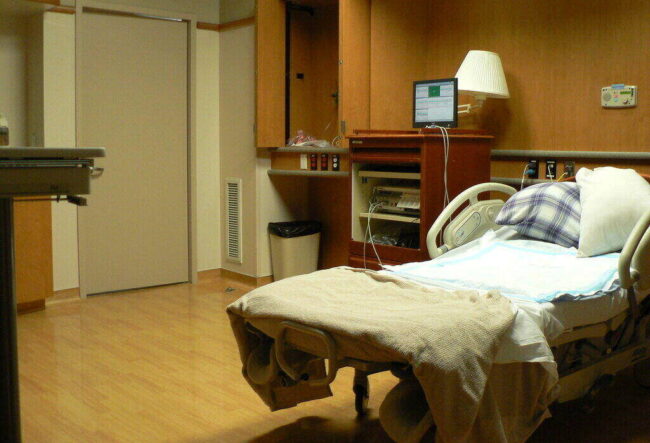
A common respiratory virus is reaching hospitals a lot earlier than expected which caught many professionals by surprise. Doctors are worried because hospital beds are being filled across the country too soon for what is expected.
The unprecedented surge has already put a strain on the number of pediatric hospital beds in over a half-dozen states, according to doctors. Pediatricians and the CDC want to ensure parents are aware of RSV, how to spot symptoms in their children, and what to do about them. This is because many people are now trained to believe that any cold-like illness is either COVID or the flu.
What is RSV?
RSV is short for respiratory syncytial virus. This illness is usually nothing to worry about. Most people get better in a two-week period. It can cause mild cold symptoms that only affect infants and elderly people the most.
Doctors were startled and alarmed when the virus began to spread this summer. This likely reflects how the COVID pandemic changed the seasonal distribution of illnesses like RSV. Typically, the virus peaks in the winter. The season typically begins around mid-September and ends around mid-November, peaking in late December to mid-February, according to the CDC.
During the beginning of spring, the test results for the virus would typically decline. Since the virus started too early there is no telling when it will start to dial back down. Other parts of the US have a higher onset time for the virus. For example, RSV was found to last longer in Florida than anywhere in the country.
RSV is the main cause of other illnesses such as bronchiolitis and pneumonia. These are both infections in the lungs.
It is responsible for around 2,000,000 doctor visits from children under five, nearly 60,000 hospitalizations in kids younger than 5, and a range of 100-300 deaths in children younger than 5, according to the CDC.
A lack of comparable data for this season is currently available due to testing restrictions and other issues. For instance, since the end of the previous season in mid-April, the five-week average of positive RSV PCR testing in New York has increased on a weekly basis.
The average for the week ending October 8 is 133.333, up from 41.4 at the beginning of August when the CDC started to notice tendencies that were occurring earlier than typical. In New Jersey, the week ending October 8 saw a five-week average of 47.333 positive PCR tests. Data for Connecticut are lacking.
Symptoms and Diagnosis
RSV can be identified with a PCR or antigen test, just like COVID. A mouth swab or blood test that evaluates the white blood cell count, which viruses impact, is the most typical diagnostic procedure. To assess potential lung issues, more extensive testing, such as chest X-rays or CT scans, may be required in extreme circumstances.
The symptoms of COVID, the common cold, and the flu are comparable. People often experience symptoms four to six days after contracting the infection, according to the CDC. Runny nose, coughing, sneezing, fever, wheezing, and a drop in appetite are a few of those that might be present. Notably, the symptoms typically come on gradually rather than all at once.
By the time they turn two, almost all children will have experienced an RSV illness, whether they received a diagnosis or not. Very young newborns may merely exhibit irritation, a decline in activity, and breathing difficulties.
Keep an eye out for anything that could be related to RSV.
Written by Esteban Ruiz
Sources:
New York: What Is RSV? Why a Virus Nearly All of Us Get Before Age 2 Has Doctors Worried Now
CNN: An ‘unprecedented’ rise in respiratory viruses in children is overwhelming some hospitals
ABC-7: Not just COVID: Cases of winter illnesses already increasing among kids across Bay Area
Top and Featured Image Courtesy of Rick Kimpel’s Flickr Page – Creative Commons License
Inset Image Courtesy of Masa Israel Journey’s Flickr Page – Creative Commons License
Discover more from Guardian Liberty Voice
Subscribe to get the latest posts sent to your email.