


Technology and its Evolution
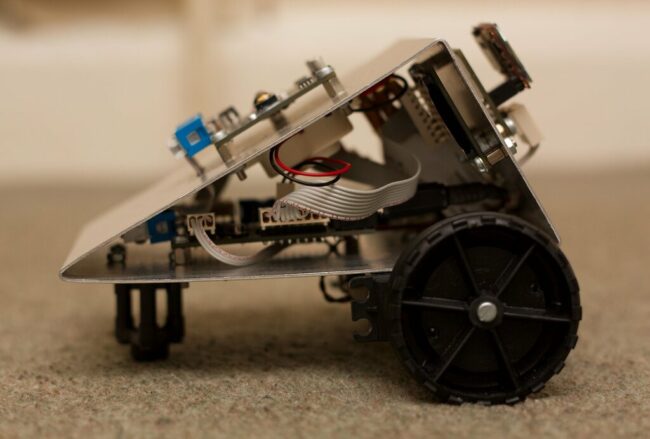
Technology continues to grow and evolve in several different ways. From data to AI, to 3D printing, we see how technology continues to astound us each day. Each day we continue to unlock different hidden aspects of technology, and each time we are surprised.
What is this Boot?
Stanford has done it yet again! They have created a robotic boot, that helps people regain the ability to walk. There are many people who unfortunately cannot walk. This robotic boot makes their wish come true. “but this is one of the categories where such changes can be immediately felt — specifically, it’s about improving the lives of people with limited mobility,” according to TechCrunch. The change is clearly seen. The change is felt. This is one of the many breakthroughs that technology has been able to supply us with. Who knows what the future may have in store for us within the sector of technology? Possibly, flying cars.
How Does This Boot Work?
This robot is incredibly smart, as it can adapt itself in regards to the user. “To adapt to an individual’s unique way of walking, the exoskeleton will provide a slightly different pattern of assistance each time the user walks,” according to The RobotReport. This shows that this robotic boot will make sure that it makes walking easier for the user. This particular idea is huge since it will change because of the way the user typically walks. This, in turn, will make life in general easier for the user, despite them having assistance when it comes to walking.
How was this boot made?
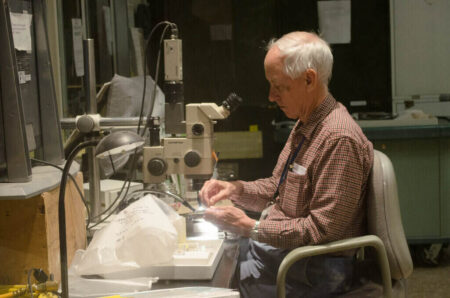
It took an incredibly long time to make, because of how complex it is. The complexity, in turn, delivers more features for those that use this boot. This intel “helped the research team to understand how the way a person walks with the exoskeleton relates to how much energy they’re using,” according to The RobotReport.
Every time you walk, you are using a certain amount of energy. This boot helps with energy conservation for the user. “The optimized assistance allowed people to walk 9% faster, using 17% less energy per distance, compared to walking with regular shoes,” according to Cable Free TV. This goes to show that the robotic boot not only helps people with being able to walk, but it also assists with walking speed and energy conservation.
Who Was This Boot Made For?
Whoever may need it, this boot is for you. There is a little more priority for older folks who need help being able to walk, but anyone has access to it. According to The RobotReport, “The goal is to help people with mobility impairments, especially older people, to more easily move throughout the world.” This boot would especially help older folk be able to walk the way they used to. If they use this device to help them walk the way they used to, they will feel young again. This is only one of the many benefits of using this device.
Is There A Release Date Yet?
To make sure that this device is in perfect condition, those at Stanford are still working on it. The boot is the culmination of about 20 years of research in the lab, and the team is now working to commercialize the project, with plans to bring it to market “in the next few years.” It had taken 20 long years to finally be able to come out with this boot. There are still a couple more years to wait since the team is working on how they will make it available to the public. This robotic boot shines a new light on the future of technology.
Written by David Loran Jr
Sources:
Cable Free TV: Stanford’s robotic boot gives wearers a customized mobility boost
The RobotReport: Stanford researchers create robotic boot that helps people walk
TechCrunch: Stanford’s robotic boot gives wearers a personalized mobility boost
Featured and Top Image Courtesy of Adam Greig’s Flickr Page – Creative Commons License
Inset Image Courtesy of m01229’s Flickr Page – Creative Commons License
Discover more from Guardian Liberty Voice
Subscribe to get the latest posts sent to your email.