
Many of the products that people consume are made from child labor and slavery overseas. From chocolate to the cobalt inside computers, slavery is inherent to our global economic system. Someone is almost always being exploited for higher and higher profits. Because most readers that will be reading this are American, the American context will be the primary one. If a person were to walk inside a convenience store, there would be almost no products in there that weren’t made with some form of exploitation.
The Chocolate Industry Uses Child Slavery
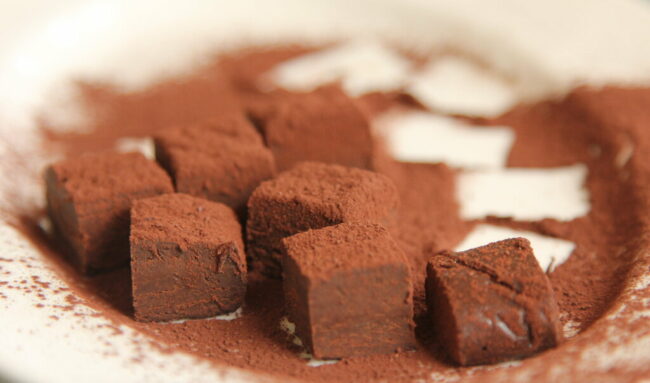
The chocolate industry is one of the more famous industries that use slavery, particularly child labor. Chocolate is made from seeds from a specific kind of plant. It takes work to change those seeds into chocolate though. So that is what many slaves in Africa are forced to do for massive American companies like Hershey.
The thing about chocolate is that it comes in levels of purity. The higher the purity, the higher the cacao percentage. That is why there is a cacao percentage on some chocolate boxes. The higher the cacao percentage the more slavery was used to make it. Chocolate with such high cacao percentages that are mass-produced is almost always productions of slavery.
The reason why is that it is difficult to keep prices low with a cost of production that is high. What is meant by this is that the lower prices can exist because they aren’t paying their slaves. “Approximately 2.1 million children in the Ivory Coast and Ghana work on cocoa farms, most of whom are likely exposed to the worst forms of child labor,” according to food is power.
The Clothing Industry Also Uses Slavery
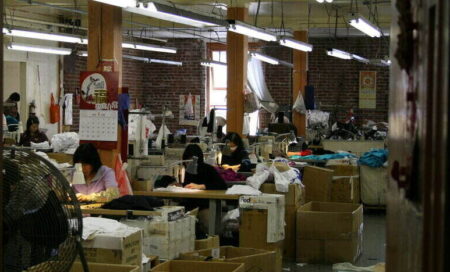
The clothing industry is an even more famous example of this sort of exploitation. There is even a term for it at this point. Most people at one point or another hear about something called a “Chinese sweatshop” what this phrase alludes to are working conditions within countries that don’t have strict labor laws.
Both child and adult levels of slavery are prevalent in the global clothing industry. So much so that people are becoming more and more aware of it. In response to this growing awareness, clothing brands have been marketing themselves as “sweatshop free”, and “ethically sourced” however many of them use the same child labor as before. Companies do lie all the time after all.
There Is No Ethical Consumption Under Capitalism
This creates a problem because people need shirts. However, they don’t like the exploitation and possible slavery that made it. So what are people to buy? This dilemma is not unique, however. With most products that people consume in the imperial core, there are almost always layers of oppression seeping through.
The phrase “ there is no ethical consumption under capitalism” simplifies the general idea perfectly. This doesn’t mean that since everything is already bad that people should just go and buy horrible things. Rather, people be mindful that whenever a product says that it was produced using no forms of exploitation, it is lying. That even things like a simple chocolate bar or a t-shirt are ripe with class exploitation and filled with the blood and tears of children.
So What Can People Do About It?
Ultimately, slavery is bad and everyone knows that. However, most people don’t have the time to check if every product has deep-seated layers of oppression within. So they just eat the chocolate and wear nice clothes. That is ok, it would be unreasonable to ask people to check every product for exploitation and oppression. However, boycotts can be a very powerful tool.
People can personally boycott a certain brand like Nestle, or collectively boycott a brand like Nestle. The point of all of this is that no matter what people do there is exploitation, and probably slavery involved in the process of making the products that people consume. So, try to avoid certain brands and products, and do what can be done. If that’s eating a lesser cacao percentage sometimes, then do that.
Written by Kenneth Mazerat
Sources
FoodIsPower: CHILD LABOR AND SLAVERY IN THE CHOCOLATE INDUSTRY
Essence: The Fashion Industry Is Considered One Of The Biggest Contributors To Modern Slavery by CRYSTAL TATE
Dressember: TOP 5 INDUSTRIES USING FORCED LABOR
Featured and Top Image Courtesy of Jyun-Lei Jheng’s Flickr Page – Creative Commons License
First Inset Image Courtesy of zakattak’s Flickr Page – Creative Commons License
Discover more from Guardian Liberty Voice
Subscribe to get the latest posts sent to your email.