


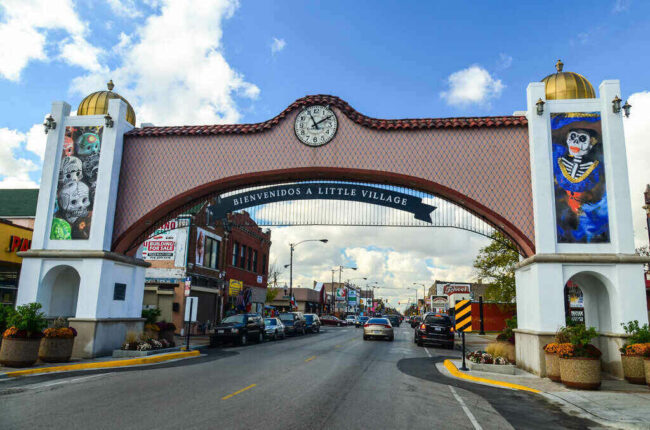
Chicago’s Little Village, also known as La Villita, is a predominantly Mexican-American neighborhood located on the southwest side of Chicago. La Villita is known for its vibrant culture and bustling commercial corridor, 26th Street, which is lined with small businesses, restaurants, and cultural institutions.
Little Village’s Rich History
The Little Village neighborhood has a rich history, with roots dating back to the late 19th century. It was originally settled by Eastern European immigrants, including many Polish and Lithuanian families. In the mid-20th century, the neighborhood underwent significant demographic changes as Mexican immigrants began moving into the area. Today, Little Village is one of the largest Mexican neighborhoods in the city and is home to a thriving Latino community.
One of the most notable features of Little Village is its vibrant commercial corridor, 26th Street. This bustling street is filled with small businesses, including clothing stores, bakeries, and restaurants serving traditional Mexican cuisine. The neighborhood is also home to a number of cultural institutions, such as the National Museum of Mexican Art and the Little Village Branch Library.
In addition to its commercial and cultural offerings, Little Village is known for its strong sense of community. The neighborhood is home to a number of community organizations and events. Such as the annual Fiestas de La Villita, which celebrates Mexican Independence Day and the vibrant culture of the neighborhood.
Faces Challenges
Like many urban neighborhoods, Chicago’s Little Village faces a number of challenges. Some of the problems that are prevalent in the neighborhood include:
- Poverty. Little Village’s poverty rate is higher than the citywide average, with around 40% of residents living below the poverty line. This can lead to a range of problems, including limited access to education, healthcare, and other resources.
- Crime Rate. Like many urban neighborhoods, Little Village has a higher crime rate compared to more affluent areas of the city. This can be a source of stress and fear for residents and can make it difficult to attract new businesses and investments to the area.
- Lack of affordable housing. The high poverty rate is compounded by the lack of affordable housing options in the neighborhood. Residents are forced to pay a disproportionate amount of their income on rent, which can make it difficult to afford other necessities.
- Environmental problems. Little Village is located in an industrial area of the city, which means that residents are exposed to higher levels of air pollution and other environmental hazards. This can lead to health problems, particularly for children and elderly residents.
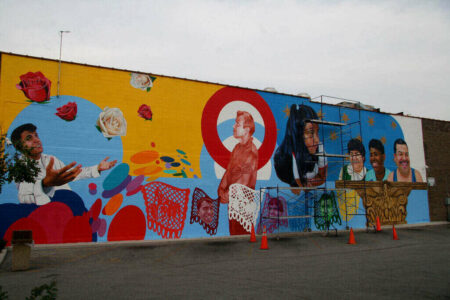
Despite these challenges, Little Village is a resilient and close-knit community. Furthermore, there are many efforts underway to address these problems and improve the quality of life for residents.
Ways Youth Can Be Successful
There are many ways that youth in Chicago’s Little Village can be successful, despite the challenges that the neighborhood faces. Some suggestions for young people in the area include:
- Get involved in community organizations. Many community organizations in Little Village offer programs and resources for young people, including after-school activities, mentorship programs, and leadership development opportunities. By getting involved in these organizations, young people can develop valuable skills and build a network of supportive adults.
- Seek out educational opportunities. Despite the challenges that many young people in Little Village face, there are still many educational opportunities available in the area. Local schools, libraries, and community centers offer resources such as tutoring, academic support, and enrichment programs that can help young people succeed in school.
- Set goals and work towards them. Successful young people often have a clear sense of what they want to achieve and are willing to put in the hard work and dedication to achieve it. By setting goals and working towards them, young people in Little Village can overcome challenges and achieve success in school, work, and other areas of their lives.
- Find mentors and role models. Having supportive adults in one’s life can be a key factor in helping young people succeed. By seeking out mentors and role models who can offer guidance and support, young people in Little Village can gain valuable insights and encouragement to help them achieve their goals.
Little Village Is a Fabric of Chicago
Overall, while there are certainly challenges that young people in Little Village face, there are also many resources and opportunities available to help them be successful. By taking advantage of these resources and working hard towards their goals, young people in the neighborhood can achieve success and make a positive impact in their community.
Little Village is a vibrant and culturally rich neighborhood that is an important part of the fabric of Chicago.
By Dylan Santoyo
Sources:
Choose Chicago: Little Village
WTTW: The Story of Little Village
Enlace Chicago: LITTLE VILLAGE HISTORY
Top and Featured Image Courtesy of Eric Allix Rogers‘ Flickr Page – Creative Commons License
Inset Image Courtesy of Señor Codo‘s Flickr Page – Creative Commons License
Discover more from Guardian Liberty Voice
Subscribe to get the latest posts sent to your email.