



Cinnamon was once more valuable than gold. Historians and healers have prized this widely known culinary herb’s medicinal properties for thousands of years. In medieval Europe, it was considered an appetite stimulant, aphrodisiac, and treatment for coughs and sore throats. Currently, the spice is thought to boost mental and physical health. Moreover, researchers reported it might also improve memory and learning.
Previous research concluded that this healthy spice, made from Cinnamomum trees, has antioxidant, antibiotic, anti-cancer, and anti-inflammatory properties. In addition, according to the NIH, cinnamon essential oils (EOs), extracts, and pure compounds have antibacterial and antifungal characteristics.
Many reports indicate that people with diabetes might benefit, as the herb can lower blood sugar and may decrease cholesterol levels, explains Morgan Griffen for WebMD. As a result, diabetic patients promote taking cinnamon capsules, healthy eating, and increased exercise to control blood sugar levels without taking prescription medication despite the health industry’s skepticism. As a result, these patients claim to have lowered their A1C (blood sugar) and maintained prediabetic levels for years.
In addition to the perks listed above, scientists suggest that cinnamon might help with heart disease, HIV, and allergies. However, since most studies were conducted in vitro or using animals, science has not proven that the spice works similarly in humans. Therefore, the healthcare industry needs to increase human-based clinical research.
Cinnamon: Memory and Learning

In 2021, researchers from Birjand University of Medical Studies in Iran systematically reviewed 2,605 published studies from different databases to evaluate the “relationship between cinnamon and its key components in memory and learning,” reported Neuroscience News.
Of the 40 studies that met their requirements, two included human subjects. These clinical studies evaluated two adult groups under age 60, healthy and prediabetic. Scientists had the first group chew sticks of cinnamon gum, and the second ate white bread laced with the spice.
These studies declared that the subjects chewing gum experienced improved cognition and memory, whereas those eating bread reported little-to-no change.
Birjand University’s researchers found that cinnamon and its compounds appear to support the spice’s benefits on memory and learning after completing this meta-analysis. “They hope future studies will focus on the impact of cinnamon on the brain with an aim to investigate its potential to slow cognitive impairment and improve overall brain health.”
Suggested Dosage and Precautions
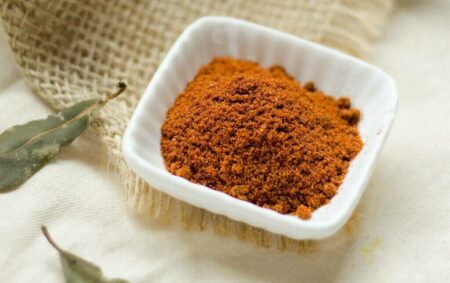
Since cinnamon’s medicinal effectiveness is unproven, there is no set dose. Some scientists suggest limiting intake to 1/2 to 1 teaspoon (2-4 grams) of powder daily. Experts warn against consuming high doses of the spice due to its possible toxicity.
Additionally, coumarin, a compound in the most common cinnamon, can increase a person’s risk of liver disease when it interacts with medications such as acetaminophen or statins.
Furthermore, the spice can lower blood sugar and increase diabetes medication’s effectiveness, lowering blood sugar too much.
As with all over-the-counter drugs, contact a healthcare provider before adding a cinnamon supplement. Doing so is especially vital for someone with diabetes who takes blood sugar medication.
Written by Cathy Milne-Ware
Sources:
Neuroscience News: Spice of Life: Cinnamon Helps Boost Learning and Memory
Healthline: 10 Evidence-Based Health Benefits of Cinnamon; by Joe Leech MS, Medically Reviewed by Any Richter RD
WebMD: Cinnamon; by R. Morgan Griffin, Medically Reviewed by Michael Dansinger MD
Science Direct: Cinnamomum
Slofoodgroup: What is the oldest spice used for cooking?
NIH: Effects of Cinnamon (Cinnamomum spp.) in Dentistry: A Review. By Spartak Yanakiev
Featured and Top Image by Rens D Courtesy of Unsplash
First Inset Image by Maria Shkliaeva Courtesy of Unsplash
Second Inset Image by Luisa Schetinger Courtesy of Unsplash
Discover more from Guardian Liberty Voice
Subscribe to get the latest posts sent to your email.