


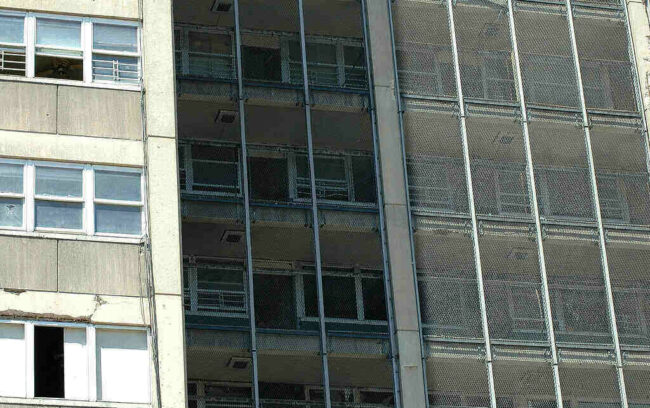
Chicago has a housing shortage. With rent prices reaching record highs, many residents have had to move out of their homes due to high costs. There are many reasons why Chicago’s housing market is not working well for its residents.
Developers are hesitant to build affordable options in some neighborhoods because racial Segregation has kept many developers from Investing. Also rising property taxes and rising violence have also made development risky or unprofitable altogether.
There aren’t enough resources for these residents who are mostly in low-income neighborhoods on the South and West sides.
The city’s poorest, most Racially Segregated, and most violent neighborhoods are the Southside and Westside.
Half or more Black residents live within a mile of each other. Garfield Park and Austin are both around 40% white and 40% Black. Roseland is about 45% African-American but also has a sizable Latino population. Little Village is roughly one-third each Latino/a, Asian/Pacific Islander, African American/Black non-Hispanic white non-Hispanic, and 2% multiracial or other races.
You probably have heard about the affordable housing crisis in Chicago. It’s likely that you know someone who has struggled to find an apartment or home that they can afford. In fact, more people are paying more of their income on rent than ever before. Nearly half of Chicago renters pay at least 30% of their income towards rent each month. Meanwhile, fewer homes are available for low-income families and individuals in need of help with housing costs.
This is a big problem for anyone trying to find an affordable place in Chicago.
It’s especially hard for African American families living on the South Side who are being priced out of their neighborhoods by rising property taxes and violent crime rates that make it too dangerous to stay put.
There are nearly 200,000 affordable units spread throughout the city. In fact, this is more than any other major U.S. city, except New York and Los Angeles. It’s more than all of Canada combined. In comparison to market-rate rents, an affordable unit generally costs less than 30% of your income (unless you qualify for a public subsidy that helps pay for your portion).
As you can imagine, losing 400 affordable units a year is a problem. For families struggling with high rent and rising property taxes, it means they have to choose between buying groceries or school supplies. For single mothers working two jobs to support their families, it means having to choose between paying for childcare or making the mortgage payment. And for all of us who live here, it means losing our neighbors — and losing the diversity that makes Chicago such an attractive place to live.
Affordable housing may be unaffordable for many residents.
This can be a challenge for people who are below the median income. The median income in Chicago is $49,788 and the city’s average rent is $1,157 per month. So if you’re making less than $53,813/year (or about 80% of the city’s median salary), it’s possible that affordable housing may be out of reach for you. This problem isn’t specific to Chicago, it’s a nationwide issue that affects other cities as well.
Affordable housing is not the same everywhere. It depends on location, income, and size of household. Affordable housing may be a few blocks away from where you live, but it’s not always within your reach. In the United States, affordable housing is often located in low-income neighborhoods with poor access to transportation and high crime rates.
Many developers would rather build luxury apartments, which are much more profitable than affordable housing options.
Developers fear investing in neighborhoods that have high crime rates and property taxes because they don’t want their properties to be damaged or destroyed. Developers also know that it’s difficult for low-income families to pay rent on time every month so this could cause them problems with collecting money from tenants who aren’t able to pay their rent on time.
You may be thinking that affordable housing programs are a great way to reduce your monthly expenses and make it easier to pay your bills, but they can also have long-term financial implications. In many cases, these programs require you to take on additional debt in order to qualify. In addition to racial segregation, rising property taxes and crime are also keeping developers from investing in many Chicago neighborhoods.
The term ‘affordable housing’ can be misleading.
For some, it means living in a home that costs less than 30 percent of their income. For others, it’s simply having enough cash to pay the rent or mortgage each month. But the problem is that affordable housing may be out of reach for many Chicago residents who need it most.
The city has more than its fair share of challenges when it comes to providing residents with quality housing options. It’s losing affordable units while also failing to add enough new ones. Also, programs designed to help low-income families obtain housing don’t always do so without taking on additional debt.
Affordable housing is a necessity in Chicago, and it’s sorely needed.
However, the city is facing increasing challenges to keep up with the growing demand from residents who need affordable options. The solution starts with looking at how we prioritize whose needs are met first and why. We also need to look at how we can make sure developers are building more units so they will be available for all of us who need them now — and in the future.
By Armon Evans
Sources :
ABC 7: Chicago affordable housing problems demand sophisticated solutions; groups rising to the challenge By Leah Hope
NBC News: How Chicago’s affordable housing system perpetuates city’s long history of segregation By Safia Samee Ali
Chicago Tribune: Chicago’s affordable housing has a segregation problem. Here’s one plan to fix it. By Darcel Rockett
RPBG: The Housing Affordability Problem in Chicago By Steve Cain
Top and Feature Image Courtesy of willitrun Flickr Page – Creative Commons License
Discover more from Guardian Liberty Voice
Subscribe to get the latest posts sent to your email.