


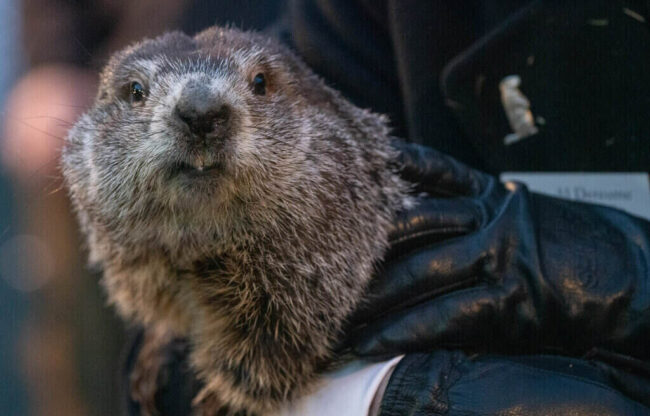
Groundhog Day is a popular tradition in the United States, but not one that’s commonly known about. The origins of this curious holiday date back hundreds of years to when the country was first settled by German immigrants, who brought with them their beliefs and traditions. Groundhogs Day may seem like just another excuse for fun and festivities around this time of year, but there’s actually quite a lot of history behind it.
Stems From Old Traditions of Candlemas Day
Candlemas Day is a Christian holiday celebrated on February 2. It’s a day to celebrate the Virgin Mary, and it got its name from an ancient tradition of blessing candles and lighting them in churches on that day.
People would celebrate Candlemas by lighting candles in their homes at night to mark the end of winter and welcome springtime. They believed this would bring good luck and prosperity to their farms over the coming year.
The Groundhogs didn’t bring this tradition with them — it came from Europe with them. But the Groundhog Day celebration we know today has many similarities to Candlemas Day:
- They both involve eating, drinking, dancing, and parties.
- Both have something to do with the weather. In this case, it’s whether or not there will be another winter.
- And both are marked by using riddles or jokes as part of their celebrations.
The First Time Groundhogs Were Used
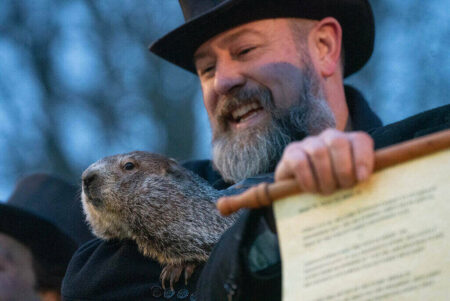
The first recorded use of a groundhog as part of this celebration was in 1887 when German immigrants brought their tradition with them to America. Eventually, they added another touch: making sure Punxsutawney Phil saw his shadow before he could emerge from his burrow.
The first official ceremony at Gobbler’s knob didn’t happen until 1986. Groundhog Day is on February 2, so it makes sense that this would be the date when people started to take notice of Phil. The groundhog’s name is Punxsutawney Phil (pronounced like “fill” with an extra “L” added).
Phil was kept in a cage and fed steak, eggs, and water until he died in 2009 at age 21–a pretty good lifespan for a groundhog.
What Are Groundhogs?
Groundhogs are rodents, and they live in burrows. Their long snouts or noses make them easy to identify from other animals. They’re also called woodchucks because they like to eat plants that grow underground, like potatoes and carrots. But don’t let their cute name fool you. Groundhogs are dangerous when provoked; they have sharp teeth that can bite through flesh with ease.
Groundhogs hibernate during winter months when there’s not enough food for them to survive on their own.
Grown in Popularity
While the Groundhog Day ceremony has grown in popularity, it wasn’t always so. The first official ceremony was held in 1886 by a group known as “The Inner Circle.” This group was made up of members from Punxsutawney’s local fire department, who would later become responsible for organizing future celebrations.
At first, only about 200 people attended this first groundhog day celebration — but today, more than 40,000 people come out to Gobbler’s Knob each year to see Phil make his prediction about whether winter is coming or not.
Groundhogs Day is a celebration filled with so much history, fun, and folklore. It’s interesting how it has changed over time but we still celebrate it today. The groundhog is a unique animal that lives in the north and can be found throughout Canada, parts of the US, Europe, and Asia.
This year the groundhog did see his shadow so six more weeks of winter. Of course, we all know it is still six more weeks until spring officially begins anyway.
By Sheena Robertson
Sources:
CNN: The bizarre history of Groundhog Day
History: First Groundhog Day
CNN: Punxsutawney Phil left his burrow for his annual prediction. Here’s how much longer winter will last according to the legend
Images Courtesy of Anthony Quintano‘s Flickr Page – Creative Commons License
Discover more from Guardian Liberty Voice
Subscribe to get the latest posts sent to your email.