

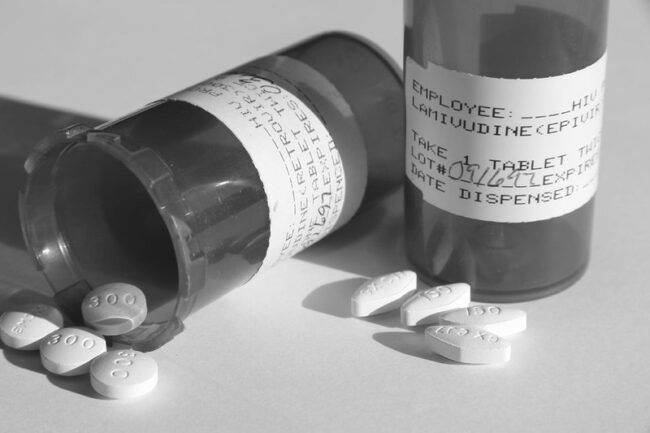
Federal funding is not keeping up with the cost of HIV treatments, causing 23 states to implement or consider cost-saving measures of their AIDS Drug Assistance Programs, according to the National Alliance of State and Territorial AIDS Directors (NASTAD).
The funding has not increased in the last decade whole demand and costs continue to increase.
“Federal funding for ADAPs has remained relatively unchanged over the last decade, while client enrollment and healthcare costs, including prescription drug, imsurance premium, and cost-sharing expenditures, have continued to increase,” the report states.
ADAPs
ADAPs are federally funded assistance programs that provide medication and other HIV-related services to low-income, uninsured, and underinsured individuals with HIV.
Measures states have taken include lowering financial eligibility and returning to waitlists or reducing drug formularies, dictating which drugs are covered. It is reported that 17 states,m including Washington, D.C., are actively seeking to constrain costs of ADAP while the other states are still weighing their options.
Federal Funding for HIV Treatment
ADAP programs are funded through the Ryan White Federal HIV Program. When medications are taken regularly, the virus is suppressed to undetectable levels, preventing the spread to others.
Experts assert that stopping treatment will increase the number of new infections and cause the virus to become medication-resistant.
Appropriations from Congress have remained the same for a decade. In 2014, the funding for the fiscal year was set at $900.3 million, and there it stayed.
The Trump administration maintained ADAP funding for the fiscal year of 2026 but requested cuts to funding for other programs such as dental care, education, and training.
“ADAPs may increasingly face budget pressures that could lead to additional such measures in the future. This could leave growing numbers of people with HIV ineligible for safety-net services, particularly if states further lower income eligibility limits or institute waiting lists,” the research group KFF analysis read.
So far, 18 states have already adopted changes that cut costs, while two more states are considering doing the same.
Florida Makes Changes
Over the weekend, Florida ended benefits for 16,000 residents living with HIV. Additionally, the state stopped covering Biktarvy, which is the most prescribed HIV treatment medication.
The Florida ADAP program is the largest in the country, serving more than 32,000 clients.
In January, Florida lowered income eligibility from 400 percent of the federal poverty level to 130 percent. Now, to qualify for the program, individuals must make no more than $20,748 per year. Previously, the limit was $63,840.
The change is raising fear in patients.
“We’re seeing patients across the state full of anxiety and fear rationing their lifesaving medication,” Esteban Wood, director of advocacy and legislative affairs at the AIDS Healthcare Foundation, told The New York Times.
He added, “These are people who have no other safety net. ADAP is the safety net.”
ADAP programs support approximately 25 percent of the 1.2 million people living because of HIV treatment in the U.S.
Between 2022 and 2024, enrollment increased by 30 percent, in part because states began to remove people from Medicaid after the pandemic.
Tim Horn, director of medication access at the National Alliance of State and Territorial ADIS Directors, told The Times, “We’re expecting to see more states anticipating or contending with budget deficits, and we do anticipate a growing number of states having to implement cost-containment measures.”
Wood summed up the situation, stating, “This is really an economic disaster, a public health disaster, a moral disaster.”
Sources:
The Hill: States limiting HIV drug access as federal funding plateaus
U.S. News & World Report: Nearly 20 States Scale Back HIV Medication Programs
The Seattle Times: States move to limit access to HIV treatment
Featured Image Courtesy of Paul’s Flickr Page – Creative Commons License
Discover more from Guardian Liberty Voice
Subscribe to get the latest posts sent to your email.