


The CDC reported that as of Feb. 26, 2026, there have been 1,136 confirmed measles cases in 28 jurisdictions: Arizona, California, Colorado, Florida, Georgia, Idaho, Illinois, Kentucky, Maine, Minnesota, Nebraska, New Mexico, New York City, New York State, North Carolina, North Dakota, Ohio, Oklahoma, Oregon, Pennsylvania, South Carolina, South Dakota, Texas, Utah, Vermont, Virginia, Washington, and Wisconsin.
In 2025, the CDC confirmed 2,281 cases in 45 jurisdictions.
Encouraging Vaccination?
Senate Health Committee Chair Bill Cassidy (R-La.) has consistently pressed President Trump’s Surgeon General nominee, Casey Means, on vaccination as a response to outbreaks.
Means supports inoculation but says people should talk with their doctor “before putting a medication in their body.”
Richard Besser, a former acting head of the CDC, says: “Typically, for something like this, you would see the Secretary of Health or the head of [Centers for Disease Control and Prevention] … at a community clinic where people are getting vaccines, and congratulating them, giving them a sticker saying, ‘I vaccinated.’ Promoting vaccination, not this sense of ‘Well, you know, it’s just a matter of choice.”
Health Secretary Robert F. Kennedy Jr.
Kennedy has a history of criticizing vaccination. Jerome Adams, Trump’s first Surgeon General, posted on X, “RFK isn’t 100% to blame – but he helped fuel the [vaccine] hesitancy we’re dealing with. Now, HE is in charge of the (clearly failing) response.”
Last year, RFK downplayed the threat when an outbreak hit West Texas, killing two children. Later, he said, “The federal government’s position, my position, is people should get the measles vaccine,” he stated during a CNN interview.
In the same interview, he also said, “Right now we don’t know the risks of many of these products.”
Additionally, RFK personally directed the CDC to alter the wording on their website, leaving the question open of whether vaccines cause autism, a view long rejected by the medical community.
One of the Administration’s strongest inoculation messages came from the head of the Centers for Medicare and Medicaid Services, Mehmet Oz, last month when he stated on CNN, “Take the vaccine, please.”
The CDC
The CDC has not yet found a full-time political leader since the firing of Susan Monarez amid disputes over vaccine recommendations.
CDC acting director Jay Bhattacharya encouraged vaccination on Monday via a social media video. He also stated the agency is working closely with states and is ready to help with technical support and vaccines “upon request.”
“I think we’re at the point in America where accomplishing 95% measles vaccination is going to be pretty much impossible in a lot of communities because it’s been so politicized,” Besser states.
Experts assert that 95 percent is necessary to prevent outbreaks.
Measles Symptoms
Symptoms can take up to three weeks to appear and are non-specific initially, as they include cough, fever, red eyes, and a runny nose.
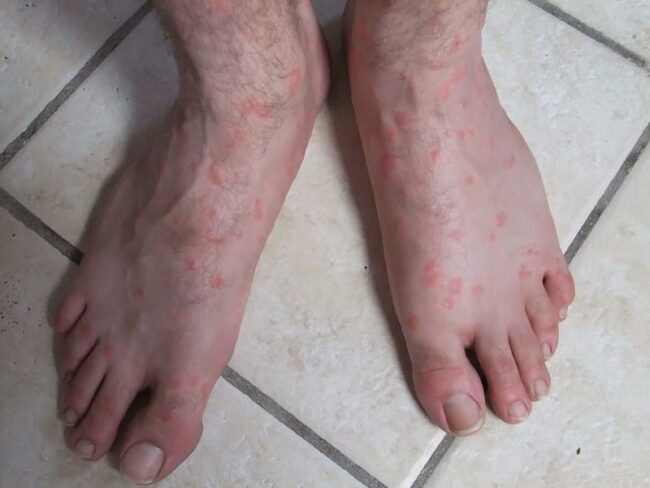
The rash typically starts at the hairline and moves down the body, and appears approximately four days after the victim becomes contagious, making it possible to spread the virus before awareness that one has the virus.
People who have developed symptoms after coming in contact with the virus should call ahead before seeking medical care to reduce the odds of spreading the measles further.
Sources:
KSL.com: Patients say measles ‘worse than expected’ as Utah hits 350+ infections, doctors say
AXIOS: New measles surge revives doubts over federal vaccine policy
CDC: Measles Cases and Outbreaks
The Denver Post: Measles exposure locations in Colorado: 2 schools, 3 restaurants, and a grocery store
Image Courtesy of Caren’s Flickr Page – Creative Commons License
Discover more from Guardian Liberty Voice
Subscribe to get the latest posts sent to your email.