


A clinical trial conducted by the Stanford School of Medicine discovered that adults who consumed fermented foods for 10 weeks showed an increase in “gut microbiome diversity and a reduction in 19 inflammatory proteins.” This highlighted the link between diet and systemic inflammation. Additionally, there were lower levels of interleukin-6, which is a marker linked to fatigue and chronic illness. The fermentation study also found links to midlife hormonal changes with a decline in estrogen and progesterone in shifting gut diversity.
Fermented foods like kimchi and yogurt with Lactobacillus support the estrobolome. This indicates natural fermentation with live, active cultures is a signal of viable microbes. Adding heat can eliminate the live cultures.
Fermentation Study
In 2026, consumers have access to more information than at any other time in human history; however, that does not make knowing the right information any easier. As a matter of fact, there is so much misinformation and disinformation that it can make one dizzy deciphering the difference.
What is true is the body pays a price. Factors like medications, stress, unhealthy foods, and environmental toxins take a toll on health. Fermented foods offer the difference people are seeking for improvement.
This is much more than a trend. Fermented foods are “scientifically shown to help restore gut diversity, fight inflammation, boost mood, and tackle metabolic challenges.”
The human gut is home to trillions of microbes, such as fungi, bacteria, and viruses, which influence digestion, blood pressure, immunity, and brain function. One of the most beneficial ways to maintain good health in the body and brain is through microbiome diversity. When this diversity drops due to stress, poor diet, and medications, metabolic issues and inflammation follow.
A diet rich in fermented foods significantly increases gut diversity and lowers inflammation. This means less fatigue, less joint pain, less brain fog, and fewer struggles with blood pressure.
“Fermented foods, such as yogurt, kefir, kimchi, sauerkraut and miso, contain beneficial bacteria (aka probiotics) that can help support a healthy gut microbiome. Research also suggests that regularly consuming fermented foods and drinks may increase microbial diversity in the gut – an important part of a healthy microbiome,” says
Fermented Food Ideas
Culinary traditions and meal staples found in African culture include a diet rich in fermented foods. Garri is a good example. It is a fermented cassava product from a woody shrub with tuberous roots from West Africa. It is a staple used to create probiotics, which are live microorganisms.
In its natural form, cassava products are high risk for cyanide poisoning. Use commercially prepared garri and cassava products.
Raw cassava contains cyanogenic glycosides, which occur naturally in plant toxins. When the tissues of the plant are damaged, raw cassava releases hydrogen cyanide (HCN) and can lead to a range of health issues from nausea and vomiting to rapid breathing, dizziness, and even death.
The water from soaking cassava and fermentation is also toxic and must be disposed of properly. Never consume or use it for any other purpose. Follow all protocols and consult food safety authorities when unsure about any step in the process.
Preparing cassava requires close attention to detail. Be sure to choose the right varieties, thoroughly peel, allow the specified amount of fermentation time, discard water the correct way, cook and roast appropriately, and recognize the symptoms of cyanide exposure and seek medical attention immediately.
Spiced kefir is prepared with milk kefir grain or a store-bought culture. Freely add soul-food flair with ginger, nutmeg, cinnamon, cayenne, or vanilla. Once the mixture is prepared, ferment for 24 hours to create a tangy, drinkable probiotic “bomb.” This drink is appropriate for those who are lactose intolerant and reduces inflammation.
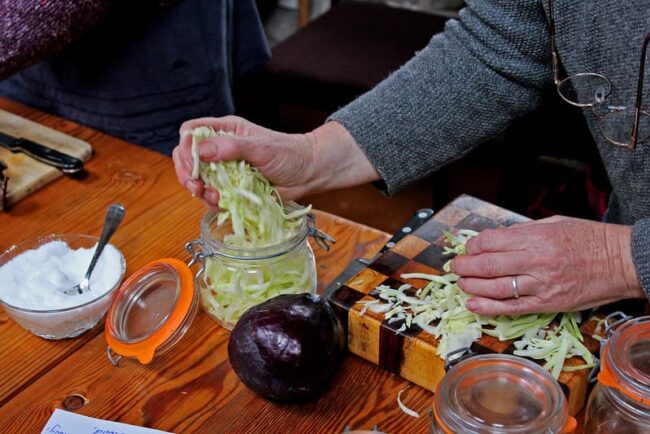
Pickled greens and vegetables are another option. Use mustard greens, collards, okra, or cabbage and brine with garlic, peppers, onions, and either saltwater or apple cider vinegar. Ferment for three to seven days at room temperature before serving. These spicy probiotic pickles pair nicely with beans, rice, or fried fish.
There are a variety of other options, but this is a good start in preparing fermented foods for gut health benefits. Start small by dedicating a corner of the kitchen with a few jars. Be sure they are clean and use non-chlorinated water and sea salt.
Fermentation is forgiving and inexpensive; no fancy equipment needed. Consume one to two servings each day and notice the benefits over time.
There are at-home microbiome tests available from Viome or Vibrant Wellness. The user mails in a stool sample for personalized gut profile insights. The tests will identify inflammation markers, identify lacking bacteria, and recommend which fermented foods or probiotic strains to address the defects.
Supplements can be helpful, but working with a practitioner or registered dietitian to change the daily diet is best.
Fermented vs Fiber-Rich Foods
Sam Previte, RD, LDN, CPT says, “Fermented and fiber-rich foods both play important roles in supporting gut health, but they work in different ways. Think of fermented foods as adding beneficial bacteria to the gut, while fiber helps feed and support those bacteria so they can thrive.
“Fiber-rich foods, on the other hand, act as fuel for the beneficial bacteria already living in your gut. Fiber is especially important because most Americans are still not getting enough of it consistently.” Previte says that less than one in ten Americans meet their daily fiber needs.
He adds, “Fiber supports digestion, regular bowel movements, blood sugar regulation and overall digestive function.” Previte asserts that people should consume 25-30 grams of fiber a day to prevent chronic constipation and diarrhea.
Foods rich in fiber produce short-chain fatty acids, which are “compounds that play an important role in gut and overall health.” Fiber ferments in the intestines and produces beneficial compounds that help strengthen the lining in the stomach and fight inflammation, improve insulin sensitivity, lower blood pressure and cholesterol, and regulate appetite.
Sources:
Black Doctor: Why Fermented Foods Are a MUST in 2026
EatingWell: Fermented Foods vs. Fiber-Rich Foods: Which Matters More for Gut Health?
Yahoo: The Surprising Food Linked to Better Energy After 40
Featured Image Courtesy of Local Food Initiative’s Flickr Page – Creative Commons License
Discover more from Guardian Liberty Voice
Subscribe to get the latest posts sent to your email.