


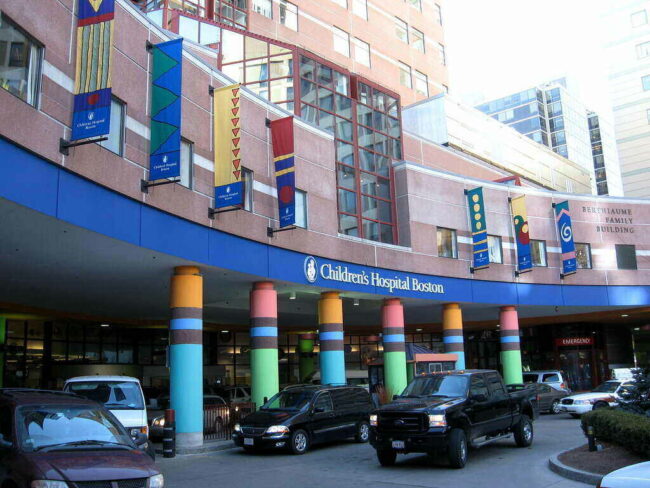
SARS-CoV (COVID-19) is a respiratory virus that causes severe pneumonia and death in the majority of people it infects. The virus is known as severe acute respiratory syndrome coronavirus 2 (SARS-CoV-2). The disease it causes is called coronavirus disease 2019 (COVID-19). In March 2020, the World Health Organization (WHO) declared the COVID-19 outbreak a pandemic. Now researchers at Boston Children’s Hospital (BCH) have identified a COVID antibody that works against the original strain of SARS-CoV-2 and all known variants.”
Researchers at Boston Children’s Hospital — in collaboration with Duke University — have identified a COVID antibody that works against the original strain of SARS-CoV-2 and all known variants. The antibody was discovered in a patient who had been exposed to COVID-19.
“We hope that this humanized antibody will prove to be as effective at neutralizing SARS-CoV-2 in patients as it has proven to be thus far in preclinical evaluations,” stated Frederick Alt, Ph.D., of the Program in Cellular and Molecular Medicine at Boston Children’s Hospital, who co-led the research.
Vaccination with mRNA vaccines may make people less able to spread the virus, even if they are asymptomatic or pre-symptomatic.
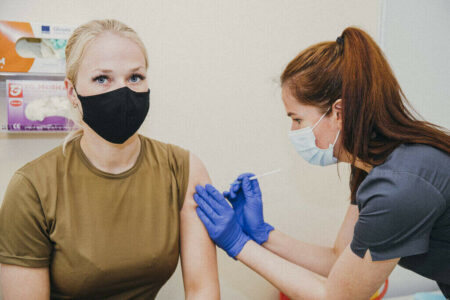
Previous studies have suggested that vaccination with mRNA vaccines may make people less able to spread the virus, even if they are asymptomatic or pre-symptomatic. Now, a new study suggests that this effect could be more pronounced than previously thought.
The researchers found that vaccinated individuals were less likely to shed COVID and had lower levels of circulating viral RNA when compared to unvaccinated subjects who had similar symptoms. They also found that vaccinated individuals shed significantly fewer particles per milliliter (p/ml) of exhaled breath than their unvaccinated counterparts did — down from an average of 12 p/ml down to 6 p/ml after vaccination — and recovered more quickly when they did become symptomatic.
The new findings indicate that, even in cases where a mutation has reduced this stickiness, an individual still produces antibodies that can bind to other parts of the virus and attack it.
Antibodies are essentially long chains of amino acids that recognize a specific region on an invader. They bind to it via interactions between their variable regions and the immune system’s MHC proteins. The currently circulating strain is thought to have originated in China before spreading across Asia and beyond, according to WHO officials.
The researchers said, “the neutralizing activity of these antibodies appears to be maintained against all of these variants.”
Scientists have long been studying the immune response to COVID, and they’ve been working on developing antibodies as a treatment for it. But until now we didn’t know whether or not any existing antibodies could bind to all strains.
These findings suggest that vaccination may reduce transmissibility even more than originally thought: if it’s possible for the virus to rapidly develop resistance in one person who catches the disease, then there’s no reason why a vaccinated individual couldn’t have their own strain become dominant after becoming infected by someone who had previously developed resistance.
According to a study published in the journal Science, vaccination could prevent the spread of COVID infections even better than previously thought. Study author Thomas Smith, who is an assistant professor at Emory University’s Rollins School of Public Health, said that vaccines could not just help slow down the spread but also reduce the number of people who get sick and die from COVID infections.
This study shows that vaccination with mRNA vaccines may make people less able to spread the virus, even if they’re asymptomatic or pre-symptomatic. The researchers also found that the neutralizing activity of these antibodies appears to be maintained against all known variants of COVID, which means that they could potentially be used as a treatment or preventative measure against the disease.
Many people are hopeful that this new antibody treatment can do as it claims and eliminate the threat of contracting and spreading COVID-19. Until then it is still smart to maintain cleanliness, and wear face masks in public places, large gatherings, and high traffic areas.
Written by Sheena Robertson
Sources:
SciTech Daily: Powerful New Antibody Neutralizes All Known COVID Variants
Forbes: Progress In The Search For Broadly Neutralizing Monoclonal Antibodies VII
Prevention: Scientists Discovered an Antibody That Can Take Out All COVID-19 Variants
Science Immunology: An Antibody from Single Human VH-rearranging Mouse Neutralizes All SARS-CoV-2 Variants Through BA.5 by Inhibiting Membrane Fusion
Mayo Clinic: Coronavirus disease 2019 (COVID-19)
Top and Featured Image Courtesy of Gary Lerude‘s Flickr Page – Creative Commons License
Inset Image by Armīns Janiks (Aizsardzības ministrija) Courtesy of Latvijas armija’s Flickr Page – Creative Commons License
Discover more from Guardian Liberty Voice
Subscribe to get the latest posts sent to your email.