


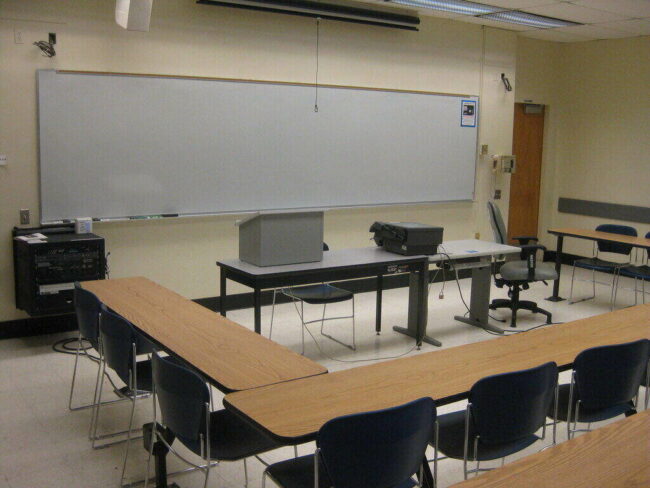
Racial inequality is a problem that’s been around for most of the history of modern education. The problem has been studied and researched, but there hasn’t been much progress made in finding solutions. There have been some positive changes, however, they’ve happened slowly over time.
Racial inequality in school systems is not just a problem that only exists in the South. It’s a problem that is happening all over the country, and it affects everyone at some point or another. No one should have to be subjected to racism in their schools because of their race. Unfortunately, this happens far too often and can cause serious problems.
The study examined the data from the National Center for Education Statistics. The researchers found that students of color:
- Had less access to educational resources;
- Were more likely to be suspended and expelled;
- Were disciplined more often.

They are tracked into lower levels and placed in special education classes at higher rates than white students who did not have any disabilities. The data further showed they were identified as gifted at lower rates than white students causing them to be assigned lower grades than their white counterparts. All these factors make them less likely to graduate from high school or college.
The racial and socioeconomic makeup of a school, particularly the percentage of low-income students, influences academic performance. Schools with high concentrations of low-income students are less likely to have the resources necessary to educate all their students well. Pupils at these schools are more likely to be put in remedial classes, have lower expectations placed on them, and have fewer opportunities for enrichment activities such as art or music classes.
Youth from racially diverse backgrounds usually attend schools with higher percentages of their peers who are also people of color. This makes it harder for teachers and administrators at these schools because they must serve not only their own community but also many others from different backgrounds. The challenge is even greater for teachers working in urban areas where there may be several different ethnic groups within one school building or across multiple buildings on one campus.
Students of color are more likely to be suspended and expelled, resulting in a higher risk of dropping out. They are more likely to be disciplined, which can lead to increased mental health problems like depression and anxiety disorders. Black and brown students are more likely to be tracked into lower levels or have less access to educational resources like Advanced Placement classes or Advanced Placement Exams (AP).
Racial inequality in school systems is a serious issue that needs to be addressed. There are many factors that contribute to this problem, including poverty and unequal distribution of resources. With more money being spent on white students than those of color, there will always be an advantage for one group over another if no action is taken against these inequalities.
Written by Sheena Robertson
Sources:
Standford CEPA: Racial and Ethnic Achievement Gaps
American Psychological Association: Inequality at school
National Library of Medicine: Inequality in Teaching and Schooling: How Opportunity Is Rationed to Students of Color in America
Top and Featured Image Courtesy of Michael Ocampo‘s Flickr Page – Creative Commons License
Inset Image Courtesy of Lyn Lomasi’s Flickr Page – Creative Commons license
Discover more from Guardian Liberty Voice
Subscribe to get the latest posts sent to your email.