

The climate is changing and emissions are on the rise. We’ve known that for decades, but now we’re seeing the effects on the planet and our lives. Scientists agree that things are getting worse, but they don’t necessarily agree on how bad it will get or how much humans are responsible. The good news is that it’s not too late to act. Governments can still come together and solve this problem before it becomes worse than it already is.
Emissions and Gases are Causing the Polar Ice Caps Melting
The Antarctic ice sheet is melting faster than it can be replaced, and this has been blamed for the sea levels rising. Indeed, scientists have found a direct correlation between rising temperatures and the melting of polar ice caps. The reason behind this phenomenon is simple: as the earth gets warmer and warmer, more water evaporates into the atmosphere.
This creates clouds in the sky that eventually deposit their moisture as rain or snowfall back onto the planet’s surface. As temperatures rise, we see more evaporation occurring at lower latitudes — which means there are more clouds forming over land than over water. With less sunlight reflected back into space by white ice caps, energy from solar radiation continues warming up the planet even further — and so on it goes until Antarctica melts away completely.
Plants and Animals May Already be Affected
The temperature on your skin is a direct result of the sun’s energy reaching the Earth. Since 1972, this average global temperature has increased by about one degree Celsius. That’s only a fraction of a degree more than what people are used to experiencing in their daily lives. However, it makes a big difference when it comes to plants and animals that live here. As temperatures continue to rise due to climate change, many species will be forced to adapt or move if they want to survive.
Some plants and animals are already being affected by rising temperatures. For example, some species are migrating northward toward colder climates as their habitats become too hot for them or die out altogether. Others adapt through physical changes such as thicker fur or feathers. However, these adaptations come with costs as well. For instance, larger bodies take longer for animals like polar bears who rely on hunting seals at sea because they have less surface area exposed above water which makes swimming harder.
Sea Levels are Rising
Sea levels are expected to rise even faster in the future. With this in mind, it’s important to think about how climate change can affect people’s life.
The first thing one may think of is flooding — but it’s not always that obvious. In fact, rising sea levels can also cause erosion. This can lead to coastal cities being washed away by waves or large surf hitting them and destroying buildings.
As a result of global warming, rivers have less water in them because they aren’t melting as fast. This is because glaciers are the source of the freshwater that fills up rivers. As the temperature rises, glaciers melt and provide water to rivers during spring runoff. However, if one thinks about it, glaciers are made out of ice. When the ice melts, it doesn’t get any smaller. It just changes into water. If there’s more heat on Earth now than there was before humans started burning fossil fuels like oil and coal to power people’s lives (and cars), then there’s going to be more melting happening at all times.
So where does all this melted glacier water go? Into oceans, basically. And guess what happens when a bunch of fresh cold liquid combines with salt water? It gets salty again. That means less fresh clean drinking water available for people who need it most — like farmers or fishermen. Especially in places where there aren’t many other sources around.
Notice a Change?
If anyone has noticed a change in the weather, it’s not their imagination. Storms are getting stronger and longer, causing more damage to buildings and crops. This is due to global warming, which is happening because of humans burning fossil fuels like coal and oil for energy.
We need to act now to stop this from happening.
While fossil fuels are being used in more and new ways, they are also being used in less efficient ways. The process of extracting oil from the Earth is harmful to the environment.
In addition, cars that run on fossil fuels pollute the air and contribute to global warming. In order not to cause further damage to the planet as well-being, we need to make changes by using other forms of energy such as wind power or solar panels.
Climate Inertia
One may have heard of a concept called “climate inertia,” or the idea that it will take time for the climate to fully respond to our emissions. The reason behind this is simple. Greenhouse gases are long-lived, which means they stay in the atmosphere for decades or even centuries after they’re released. For example, carbon dioxide stays in the atmosphere for hundreds of years before being absorbed by oceans, trees, and plants (which take up CO2 during photosynthesis).
That means even if we stopped emitting CO2 today and never emitted another molecule again, we would still see climate change over many generations. It takes about 100 years for each degree of temperature rise that humans cause worldwide.
Science isn’t always clear about what’s happening with the weather and climate systems. However, scientists agree that we need to act soon to prevent further changes. They don’t know exactly how much change we can expect, but they agree that it will be significant — and dangerous. If we don’t take action soon it could be completely devastating.
Recent Emissions Data
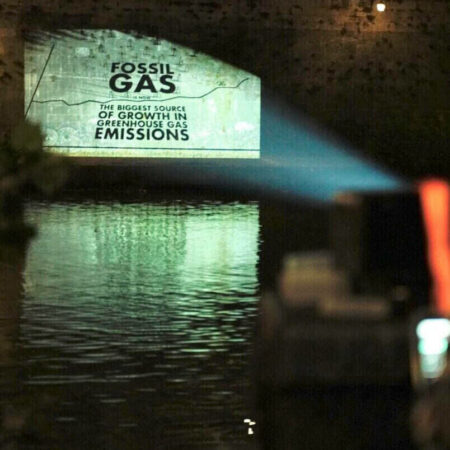
A new study suggests that emissions from burning fossil fuels are expected to reach record levels in 2022. The report from the Global Carbon Project indicates it could rise over 50% higher than when the Industrial Revolution started.
The COVID-19 pandemic caused emissions to fall by roughly 5%. Now that restrictions have subsided they have risen to previous levels. Emissions are expected to grow by at least 1% before the year is over.
“That may not sound like much, but that’s about as much emissions as an extra 100 million American cars a year,” stated Rob Jackson, a climate scientist at Stanford University who worked on the report, which was compiled by scientists around the globe.
China is still under pandemic lockdown so their emissions are expected to drop more.
However, between inflation and the war in Ukraine, it is truly difficult to estimate how emissions will keep rebounding. “It’s a chaotic mess of a global economy and we really don’t yet know how emissions will settle out post-COVID because we haven’t had a normal year yet,” added Jackson.
Finding a Solution to Climate and Emissions
Scientists are working on ways to deal with global warming, as well as how to adapt to it. For example, some countries have begun planning for rising sea levels by building dikes and dams along coasts or moving people away from low-lying areas. Others have started programs that take carbon dioxide out of the atmosphere, like planting more trees.
But these efforts will only slow down the rate at which we need to reduce our greenhouse gas emissions if they don’t work fast enough. It’s possible they could also be too expensive if they do work quickly enough but end up costing more money than needed because they’re not large enough scale yet. In any case, it’s clear that we need an international agreement on how much each country should cut back its emissions in order for everyone else’s plans to succeed. Otherwise, no one will follow through with theirs.
by Sheena Robertson
Sources:
NPR: Are climate change emissions finally going down? Definitely not
USA Today: Dire global warming milestone could come within a decade as Earth sets new emissions record, report says
EPA: Overview of Greenhouse Gases
Top and Featured Image Courtesy of Tim Dennell‘s Flickr Page – Creative Commons License
First Inset Image Courtesy of Martin Snicer‘s Flickr Page – Creative Commons License
Second Inset Image Courtesy of Alisdare Hickson‘s Flickr Page – Creative Commons License
Third Inset Image by Lorenzo Barutta Courtesy of Gastivists Collective‘s Flickr Page – Creative Commons License
Discover more from Guardian Liberty Voice
Subscribe to get the latest posts sent to your email.